
Last updated November 16, 2026
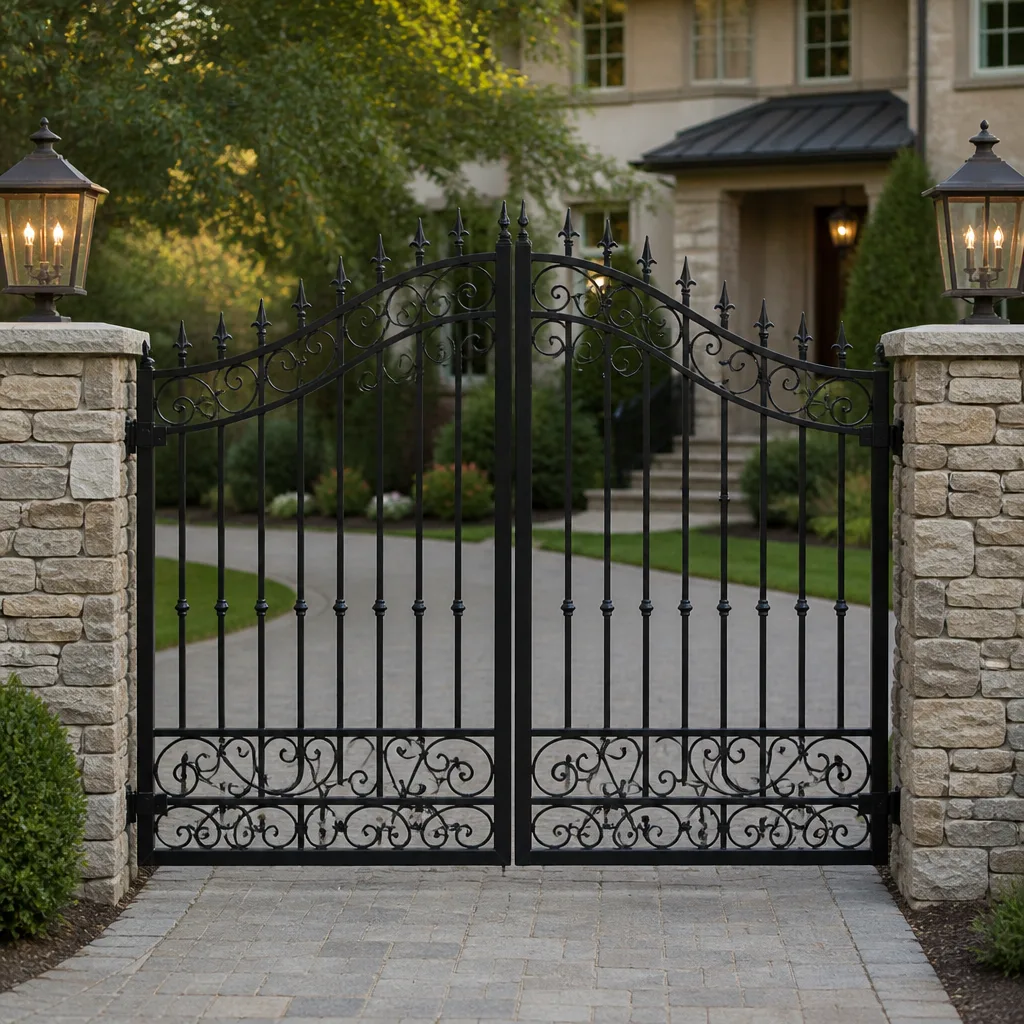 Wrought iron
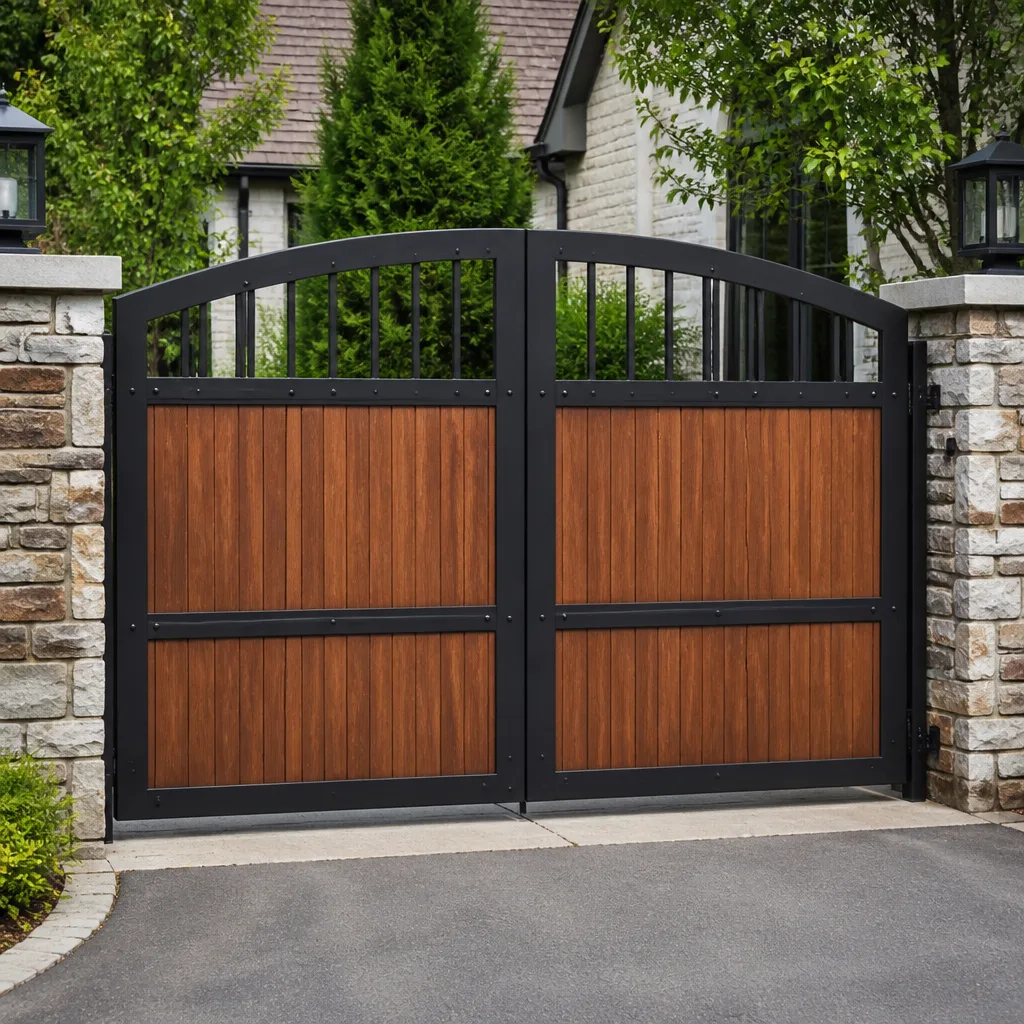 Wood & steel frame
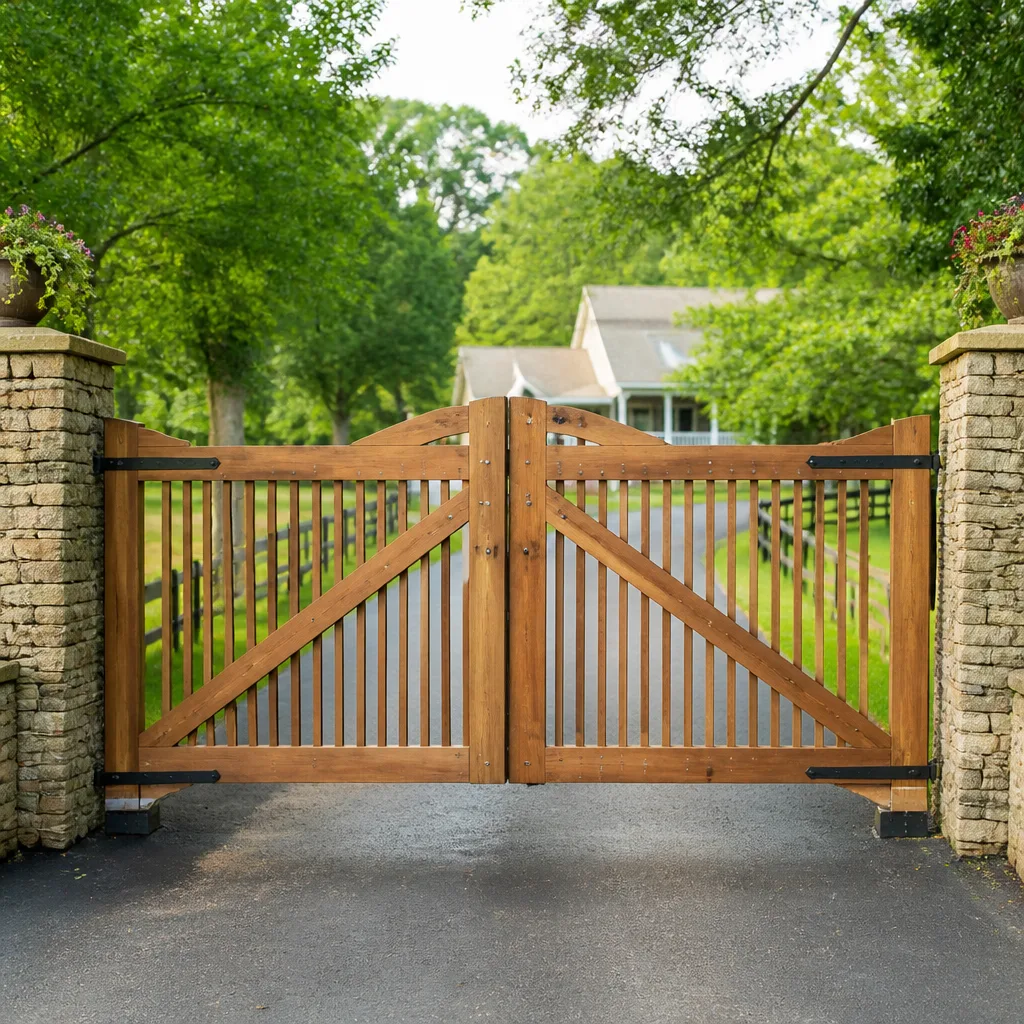 Farm & ranch
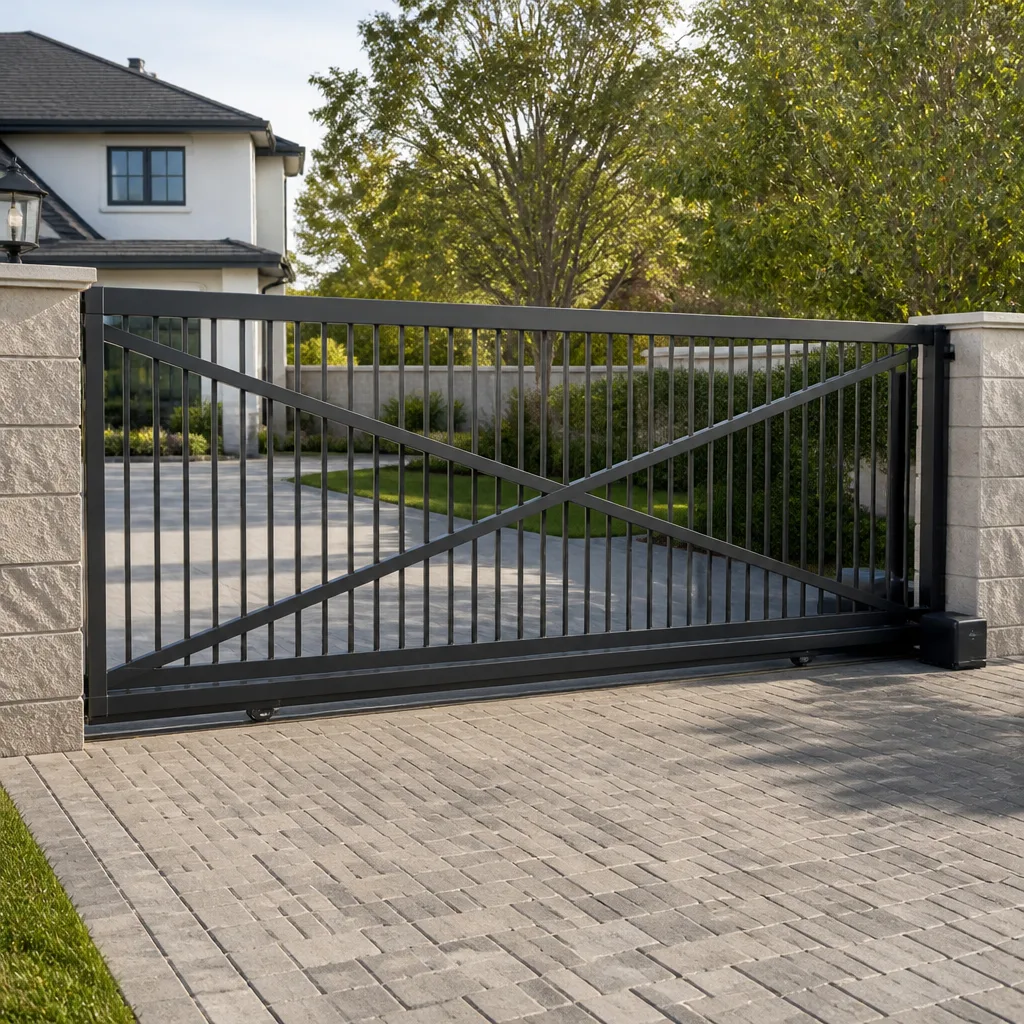 Sliding driveway gates
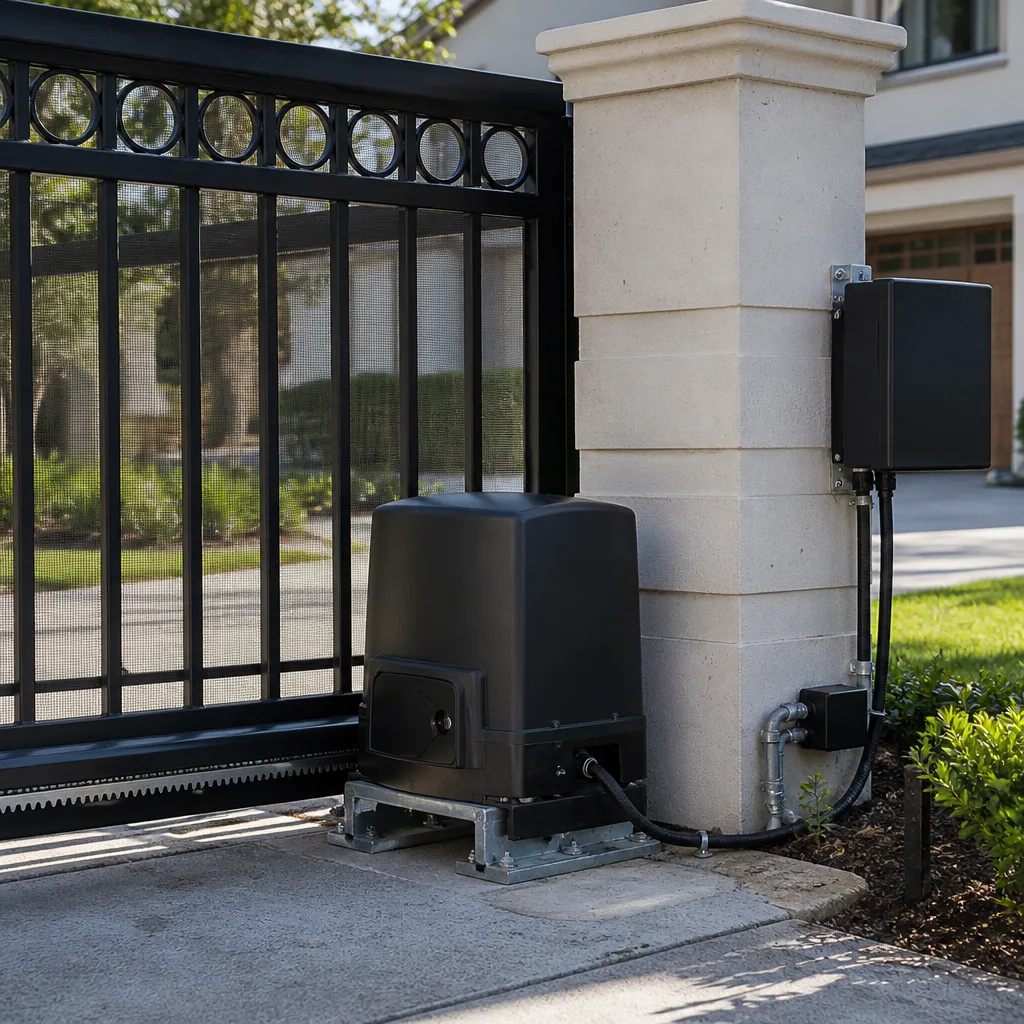 LiftMaster operators
Free on-site gate assessment - hinges, posts, and your LiftMaster or Nice gate operator checked before anything is quoted
The assessment is free and the quote is the invoice.
Get your free estimateChoosing the Right Gate Repair Brand: A Buyer’s Guide for Glendale
LiftMaster is the most recognized name in gate operators, and that’s exactly why so many Glendale homeowners assume it’s the automatic right choice. It isn’t always. A heavy ornamental iron estate gate on a Glendale hillside property asks very different things of an operator than a lightweight aluminum driveway gate on a flat lot in Adams Hill. Torque demand, duty cycle, heat exposure, and control board compatibility all shift the answer. This guide walks through how to match a brand to your specific gate instead of the loudest ad, which brands actually hold up in Glendale’s heat, where parts support really stands, and when repair beats replacement.
Quick Answer
The right gate operator brand for a Glendale property depends on gate weight, usage frequency, heat exposure, and the access control system you already have. LiftMaster and Linear suit many residential driveways, Viking handles light-duty residential work well, FAAC fits heavier and commercial-grade swings, and DoorKing is built for multi-tenant and vehicular access. Match the operator’s duty cycle to real usage before you compare logos, and confirm local parts support.
Styles & brands we work with
- Wrought iron
- Wood & steel frame
- Farm & ranch
- Sliding driveway gates
- LiftMaster operators
Table of Contents
- Why Brand Choice Matters More Than You Think in Glendale
- Head-to-Head: The Brands Glendale Properties Use Most
- Matching Duty Cycle to Your Real Usage
- What Glendale’s Heat Does to Operator Longevity
- Parts Availability and Local Support in the Greater LA Area
- The Control Board Compatibility Question
- Repair or Replace: How We Decide Honestly
- A Step-by-Step Brand Selection Checklist
Why Brand Choice Matters More Than You Think in Glendale
An operator is a motor, a gearbox, a control board, and a set of safety sensors working together, and every brand balances those parts differently. Put a light-duty operator on a gate that’s too heavy and the motor strains on every cycle. Strain shows up first as sluggish opening, then as heat, then as a failed board. The gate itself may be perfectly sound. The mismatch is what fails.
Glendale makes that mismatch more likely than a flat, mild-climate town would. Hillside properties in neighborhoods like Chevy Chase and Verdugo Woodlands often carry heavier gates because the architecture calls for ornamental iron and solid panels. Those gates catch more direct sun on exposed driveways. A brand that performs beautifully on a shaded, lightweight gate can struggle when the same model faces a heavier load and higher ambient heat. That’s not a knock on the brand. It’s a reminder that the label on the housing tells you less than the duty rating inside it.
Here’s the part most buyers miss: a great brand with no local parts pipeline is a liability. When a control board fails and the replacement has to be ordered from a warehouse three states away, your gate sits open or stuck for days. We factor parts availability into every brand conversation because a gate that can’t get fixed quickly isn’t secure, no matter whose name is on the operator.
What you’ll learn in this guide: how the five brands most common on Glendale properties actually compare by application, how to size a duty cycle to your real traffic, why heat matters here, and how to keep your existing access control when you swap an operator. If you want the broader picture of what we handle, start with Glendale Gate Repair.
Head-to-Head: The Brands Glendale Properties Use Most
Marketing spec sheets blur together. Application type is where the real differences show. Here’s how the brands we see most often in Glendale actually divide up by property and gate type.
LiftMaster
The most widely recognized name, and for good reason on standard residential driveways. LiftMaster operators cover a broad range of swing and slide gates, and the ecosystem of remotes, keypads, and receivers is familiar to nearly every technician. On a typical single-family driveway gate in Glendale, it’s a solid, serviceable choice. On a heavy ornamental gate with high daily cycles, check the duty rating carefully before assuming the badge means it fits.
Viking
Viking is a workhorse for light-to-medium residential swing gates. It’s a practical fit for homeowners who want reliable daily operation without commercial-grade complexity. If your gate is a modest weight and your traffic is a household’s worth of cars, Viking earns its place. Push it into a high-cycle or heavy-panel application and you’ll feel the limits.
FAAC
FAAC builds for heavier swings and higher duty, which makes it a natural fit for larger estate gates and small commercial entrances around Glendale. Where a residential-grade operator would strain, FAAC is engineered for the load. The tradeoff is that it rewards proper sizing and setup. Installed to its rating, it holds up well under Glendale heat and traffic.
DoorKing
DoorKing is the multi-tenant and vehicular access specialist. Apartment complexes, gated communities, and small commercial properties with call boxes, loop detectors, and entry systems lean on DoorKing because it’s built to integrate with access control rather than bolt onto it. If your property manages dozens of entries a day, this is the category to look at.
Linear
Linear covers the practical middle ground, common on residential and light commercial slide and swing gates. It’s a widely supported brand with a broad dealer footprint, which matters for parts. For a straightforward driveway gate with steady but moderate use, Linear is a reasonable match, and it’s one we’re equipped to diagnose directly.
None of these is universally “best.” The question is which one fits your gate. We work on the brand you already have, and we cover the full spread from residential-grade operators like Mighty Mule and Ghost Controls up to commercial systems like BFT, so the comparison stays honest to your situation. For the repair side of that work, see our gate repair page.
Matching Duty Cycle to Your Real Usage
Duty cycle is the single most overlooked number in gate operator selection, and undersizing it is the most common installation mistake we see on Glendale properties. Duty cycle describes how hard an operator can work before it needs to rest. A light-duty residential operator is built for a handful of cycles an hour. A high-cycle commercial operator is built to run nearly continuously. Put the first on a gate that opens forty times an hour and it will fail early, no matter how good the brand is.
Before you compare brands, count your real traffic. Here’s how to work through it:
- Count entries per hour at peak. A single household might open the gate four times in a busy hour. A small apartment building might see thirty. Those are different machines entirely.
- Note total cycles per day, not just peak. Daily volume stresses the motor and gearbox over time, even if each hour looks calm.
- Weigh your gate panel. Heavier gates demand more torque per cycle, which increases heat and wear. Ornamental iron weighs far more than a comparable aluminum panel.
- Factor the duty cycle rating against both numbers. Peak load and daily volume together decide whether you need residential light-duty, medium-duty, or high-cycle hardware.
- Add a margin. If you’re near the top of a rating, step up. Running an operator at its ceiling shortens its life.
A multi-tenant property in Glendale that installs a residential-grade operator to save on the upfront cost usually pays for it later in repairs and early replacement. Sizing up from the start is the cheaper path. If you’re weighing replacement, our electric gate repair team can assess your current operator’s rating against your actual traffic before you commit to a brand.
What Glendale’s Heat Does to Operator Longevity
Gate operators live outdoors, in the sun, and heat is the quiet killer of electronics and motors alike. Glendale’s warm summers push operator housings well above ambient air temperature, especially on unshaded driveways facing the afternoon sun. A motor and control board that run cool in a mild climate run hotter here, and heat accelerates wear on capacitors, boards, and gearbox lubrication. Two operators with identical specs can have very different real-world lifespans depending on their thermal design.
Thermal protection engineering is what separates brands on this front. Some operators include thermal overload protection that shuts the motor down before it cooks itself, and better heat-shedding housings that keep the board cooler under load. When you’re comparing brands for a Glendale property, ask specifically about thermal cutoff and housing design. A brand with strong thermal protection tolerates a hot driveway far better than one that relies on the installer to leave enough headroom.
- Shade matters. A gate operator tucked under a carport or shaded by landscaping runs cooler than one in full afternoon sun.
- Color matters. A dark gate panel and housing absorb more heat than a light one.
- Sizing matters. An operator running near its torque ceiling generates more heat per cycle, so undersizing and heat problems compound.
- Ventilation matters. A housing with room to breathe cools better than a tightly packed one.
We can’t control the Glendale sun, but we can match an operator’s thermal engineering and duty rating to your exposure. That’s part of why blanket brand recommendations fall short. The same model that thrives on a shaded, flat-lot driveway may need a higher-duty sibling on an exposed hillside gate. Matching brand engineering to environment is the whole game.
Parts Availability and Local Support in the Greater LA Area
A gate brand is only as good as its parts pipeline. Motors, control boards, remotes, gears, and sensors all wear or fail eventually, and when they do, the question is how fast a replacement can reach your property. A famous brand with a thin local parts supply can leave your gate stuck for days. A less-advertised brand with strong regional distribution can have you running again quickly. In a dense metro like greater Los Angeles, distribution is generally strong for the major brands, but it varies by model and tier.
Here’s what to check before you commit to any brand:
- Ask where the control board comes from. Boards fail more than motors. If a replacement board has to be special-ordered from far away, that’s a risk.
- Check remote and receiver availability. Remotes get lost and batteries die. A brand with widely stocked remotes keeps you moving.
- Confirm the model tier is still supported. Some entry-level models get discontinued while their parts dry up. A brand that supports its installed base is worth more than one that churns models.
- Ask whether a local technician can diagnose it directly. A brand that requires proprietary tools or software ties your repair to a single source.
This is where gate-only specialization pays off. We’re equipped to diagnose the actual brand on your property across nine major brands, from residential systems like Mighty Mule and Ghost Controls up to commercial-tier hardware like FAAC and BFT. That means no workarounds and no guesswork when a board needs reading. When you’re evaluating any brand in Glendale, ask the installing company which brands they can actually service in-house. If the answer is vague, that’s your answer.
The Control Board Compatibility Question
Here’s the question almost no buyer asks until it’s too late: when you replace an operator, does the new brand work with the access control you already have? Many Glendale properties have invested in keypads, call boxes, intercoms, loop detectors, and remote receivers. Some brands integrate cleanly with existing access control. Others force a full system swap, which turns a straightforward operator replacement into a much bigger project.
Some brands are designed around integration. DoorKing, for example, is built to work with access systems rather than against them. Others have open wiring conventions and standard inputs that make connecting existing loops and receivers straightforward. Still others use proprietary controls that lock you into their ecosystem. The difference between a brand that plays well with your existing system and one that doesn’t can be the difference between a simple swap and replacing every access component on the property.
Before any replacement, we check the control board’s inputs and compatibility against what’s already installed. It’s a step worth insisting on:
- Map existing access hardware. Know every keypad, intercom, loop, and receiver on the property before choosing a brand.
- Check operator inputs. Confirm the new board accepts your existing triggers and sensors.
- Verify remote compatibility. Existing remotes may or may not work with a new receiver.
- Confirm safety edge and sensor compatibility. The new operator must accept your safety components or they’ll need replacing too.
When the numbers don’t line up, we’ll tell you honestly whether a brand swap makes sense or whether staying within a compatible family saves you a full system change. That transparency is central to how we work.
Repair or Replace: How We Decide Honestly
A failed operator doesn’t automatically mean a new brand. Often it means a control board, a gear, a sensor, or a motor that can be repaired for a fraction of replacement. The honest answer depends on the operator’s age, its duty rating relative to your usage, and whether the failure is isolated or systemic.
We lean toward repair when the operator is correctly sized for the gate, the failure is a single component, and parts are available. We lean toward replacement when the operator is chronically undersized for the load, when boards are failing repeatedly, or when the brand no longer supports the model. That last point matters: an operator you can’t get parts for becomes a replacement by default.
When replacement makes sense, the same brand question returns, but now with real data. We know how the old operator performed on your gate, in your Glendale heat, at your traffic level. That history is the best input for choosing the next brand. And because we handle everything from diagnostic to done, including new installation, you don’t need a second vendor when a gate is beyond saving or when you’re upgrading to automation. If you’re weighing automation specifically, our electric gate repair page walks through what that involves. We’d rather tell you repair is the smart call than sell you a brand you don’t need.
A Step-by-Step Brand Selection Checklist
Use this sequence in order. It keeps the choice grounded in your actual gate rather than in marketing.
- Weigh and measure your gate. Panel weight and dimensions set the torque requirement before any brand enters the picture.
- Count your peak-hour and daily cycles. These determine the duty rating you need.
- Assess heat exposure. Note whether the operator sits in full sun and choose thermal protection accordingly.
- Inventory existing access control. List every keypad, loop, intercom, and receiver the new operator must talk to.
- Shortlist brands by application. Match residential, heavy-duty, or multi-tenant needs to the right family before comparing logos.
- Confirm local parts support. Check that control boards, remote receivers, and motors are obtainable in the greater LA area.
- Ask the installer which brands they service in-house. A brand you can’t get diagnosed locally is a future headache.
- Get a written estimate and a clear repair-or-replace verdict. The written estimate sets the final price, and you should know the honest recommendation before any work starts.
Working through these steps in a Glendale property usually narrows the field quickly. A lightweight aluminum driveway gate on a flat lot with moderate traffic and no existing access control has very different needs than a heavy iron estate gate on a hillside with a call box and loop detectors. The checklist respects that difference, which is exactly the point.
Common Mistakes to Avoid
- Choosing the most advertised brand by default. Recognition doesn’t guarantee fit. A well-known operator can still be undersized for your gate.
- Ignoring duty cycle. Undersizing the operator for your real traffic is the most common and most expensive installation mistake on Glendale properties.
- Buying a brand with no local parts pipeline. A great operator you can’t get a control board for in a timely way is a liability, not an asset.
- Skipping the control board compatibility check. Replacing an operator that doesn’t integrate with your existing access control forces a full system swap.
- Overlooking heat exposure. Here, a hillside driveway in full afternoon sun can shorten an operator’s life if thermal design and duty rating aren’t matched to it.
- Replacing before diagnosing. A single failed component is often repairable. Let a gate specialist diagnose it before assuming you need new hardware.
- Hiring a generalist who shrugs at the control board. Automated gate systems reward gate-only experience. A multi-trade shop that treats gates as a side service often costs you time and money.
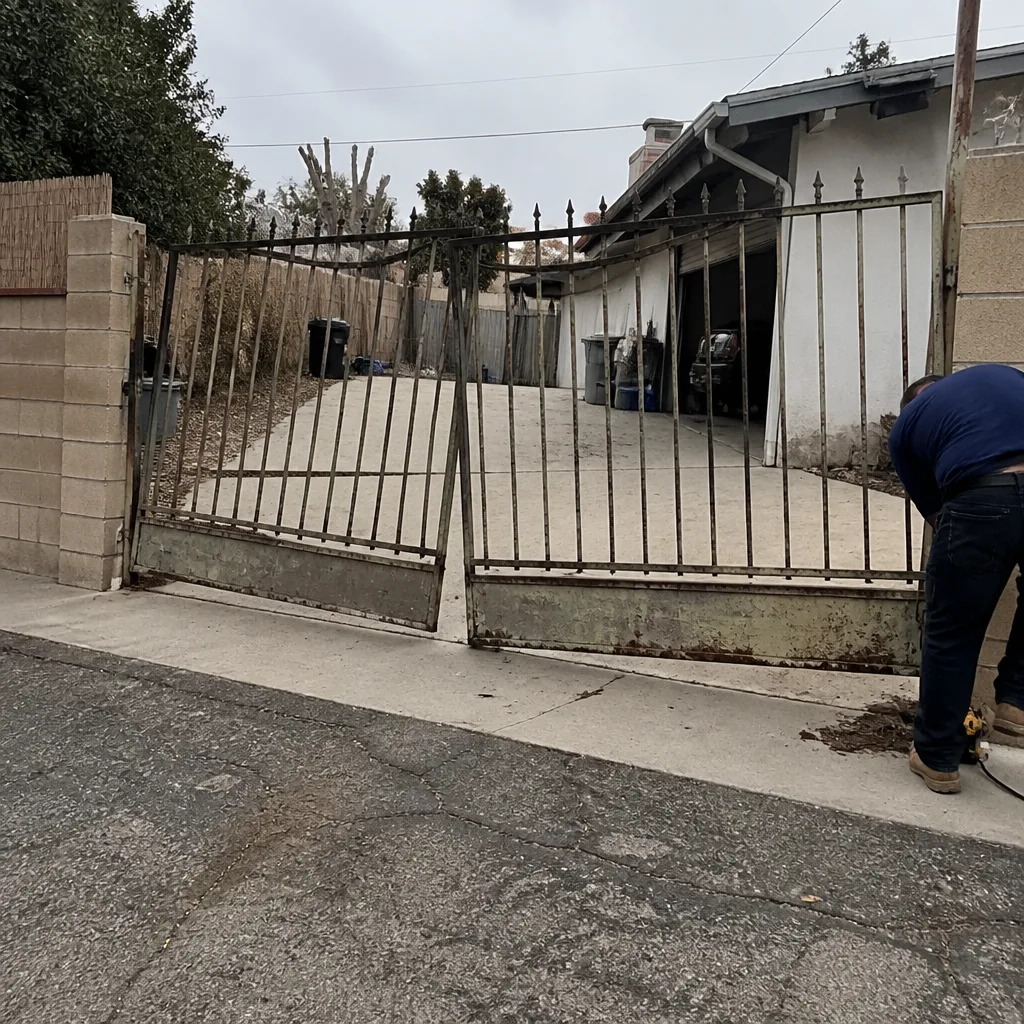
See the difference
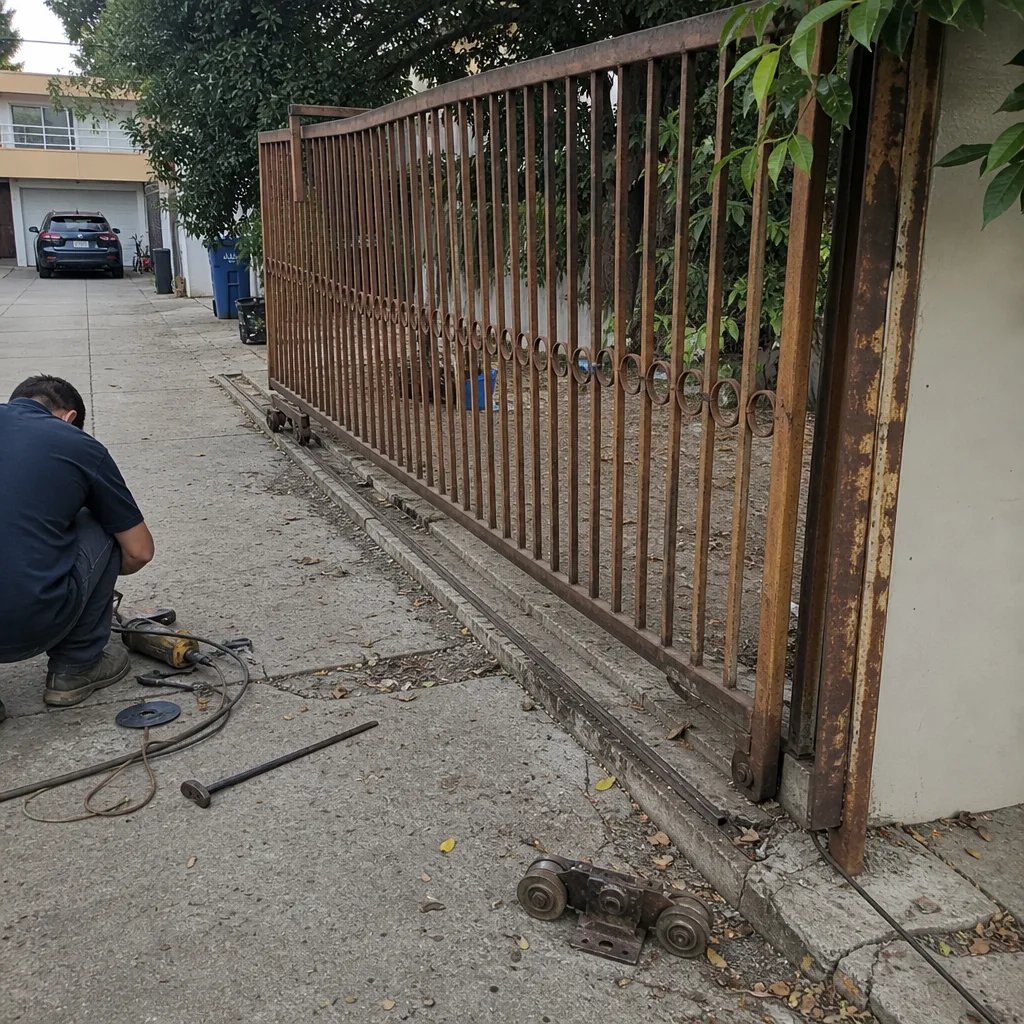 Before
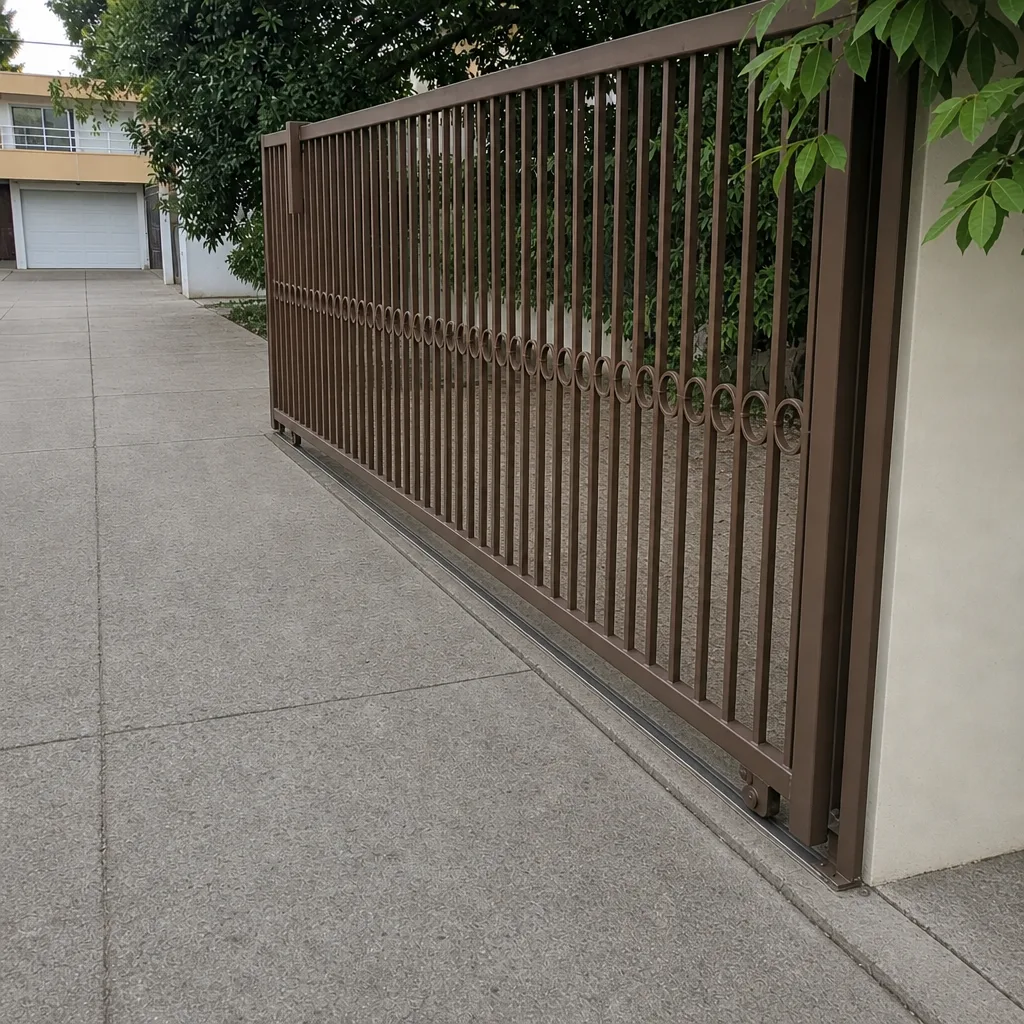 After
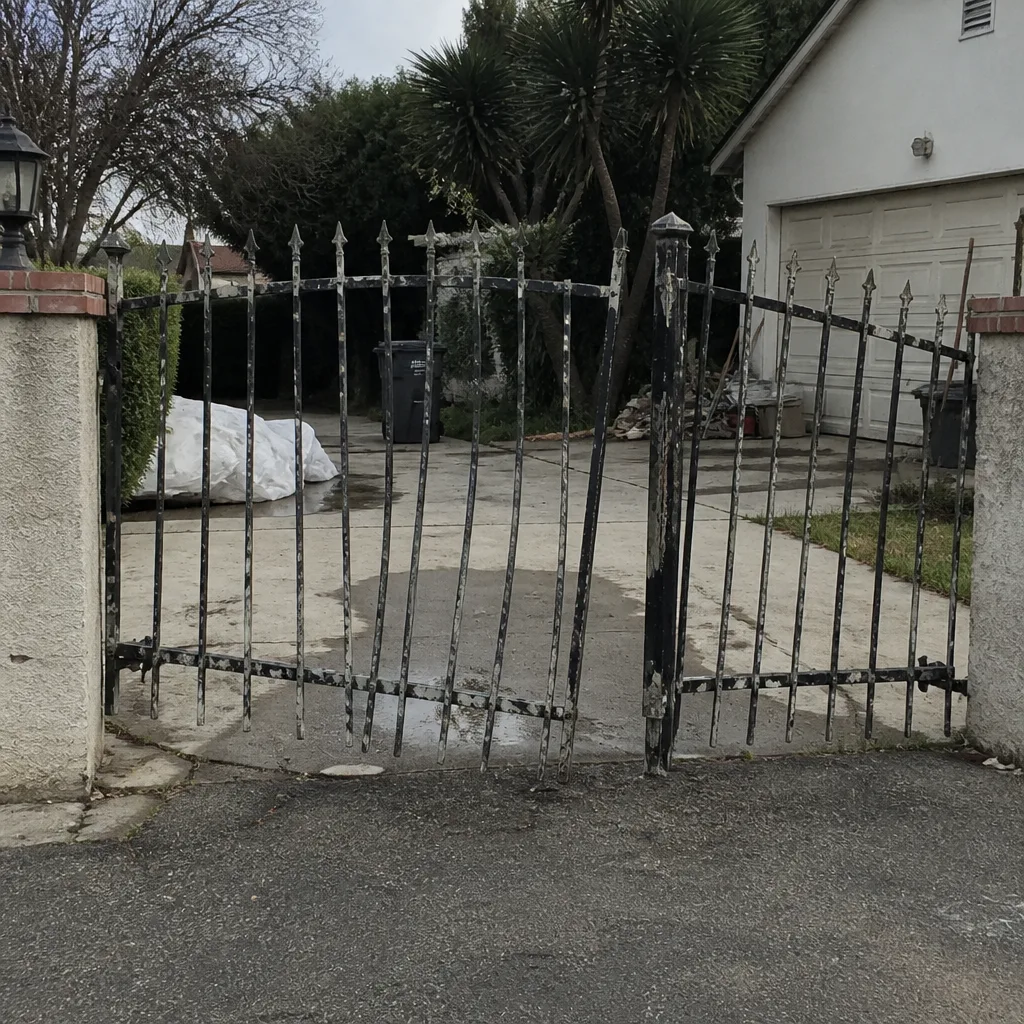 Before
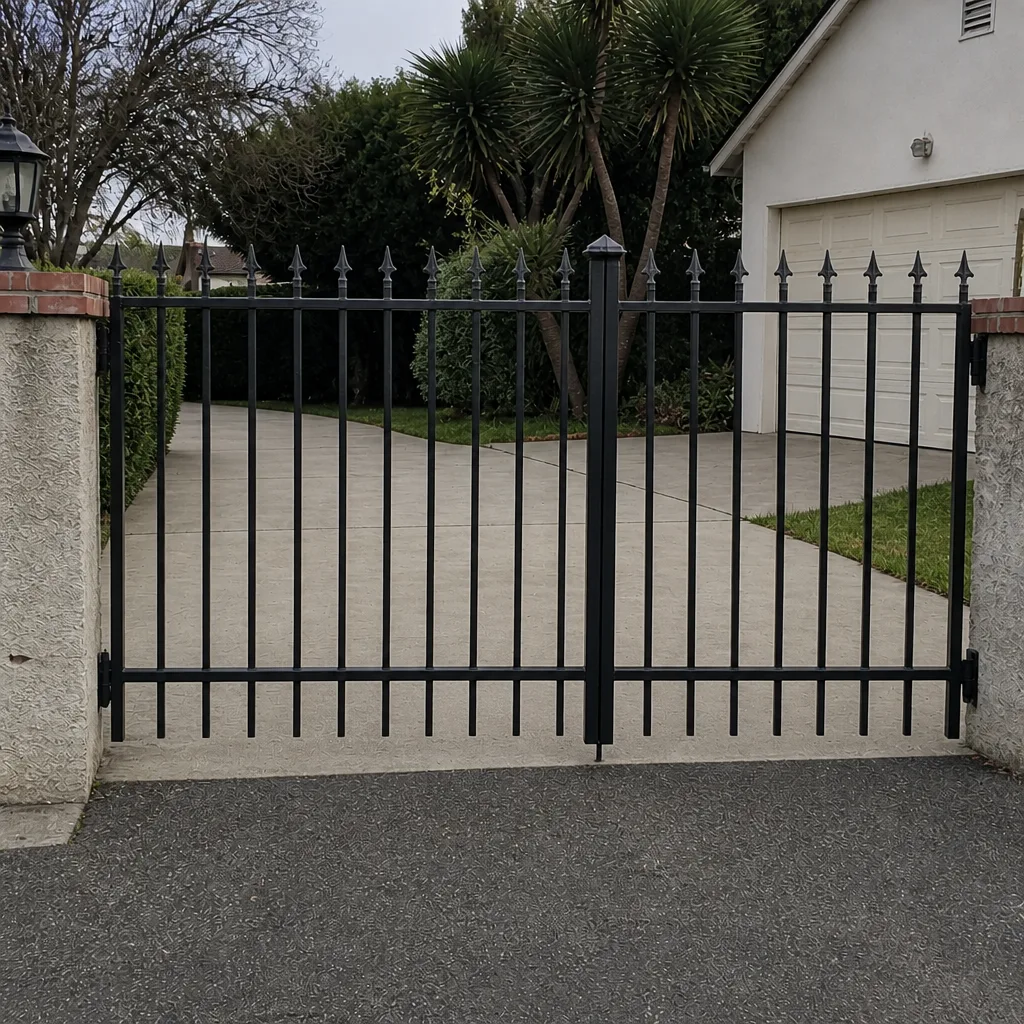 After
 Before
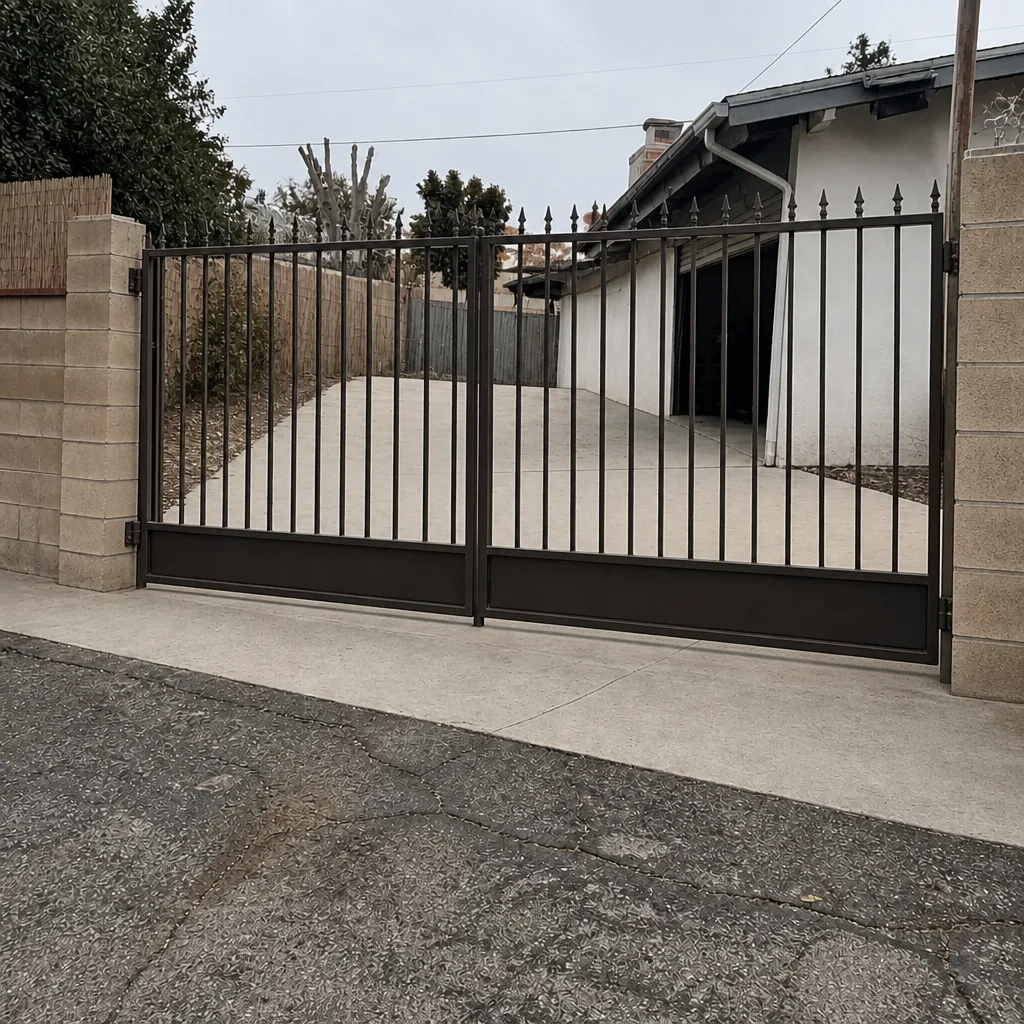 After
When to Call a Professional
Call a gate specialist when an operator stops responding, when a gate reverses unexpectedly, when the motor strains or overheats, when a control board or remote fails, or when a heavy gate on a high-traffic property is chewing through operators faster than it should. Those last two cases usually signal a sizing mismatch, not bad luck, and a professional can confirm it before you buy another wrong operator. Automated gate systems also involve electrical wiring and heavy moving panels that can cause serious injury. The power run, the operator wiring, and the safety edges are not places for trial and error. A trained technician should handle anything electrical or anything that could crush. Glendale Gate Repair offers free estimates in Glendale. Call (888) 853-9043. We answer 24/7, with fast dispatch from 7am to 7pm, Sunday through Friday, closed Saturday.
Frequently Asked Questions
There’s no single best brand, because the right choice depends on your gate weight, duty cycle, heat exposure, and existing access control. LiftMaster and Linear suit many residential driveways, Viking handles light-duty residential work, FAAC fits heavier swings, and DoorKing is built for multi-tenant properties. Match the operator to your gate before comparing logos. Call (888) 853-9043 with your gate details for a free estimate.
Pricing is set per job by a written estimate, and we quote and agree on the price before any work starts. The final number depends on gate weight, the operator’s duty rating, whether automation is new, and whether your access control needs integration work. We provide a free on-site estimate so the written figure reflects your actual gate. Call (888) 853-9043 for an exact quote.
Undersizing the operator for the gate’s weight and traffic is the leading cause, and heat accelerates it. Glendale’s warm summers push operator housings well above ambient temperature, especially on unshaded driveways, so thermal protection and proper duty rating matter here more than in a mild climate. A correctly sized operator with good thermal engineering lasts far longer than an oversized-sounding name on the wrong rating.
Sometimes yes, sometimes no, and it depends on control board compatibility. Some brands integrate cleanly with existing keypads, call boxes, and loop detectors, while others force a full system swap. We check the new board’s inputs against your existing hardware before recommending a brand. That check is worth insisting on, because it can be the difference between a simple swap and replacing every access component.
Yes. Automated gate work includes the operator wiring, power, and safety edges, and those are the parts of a gate system that can genuinely injure someone. We handle electrical and automated gate repair as a core part of our work, not an add-on. If your gate involves wiring or a heavy moving panel, leave it to a trained technician. Call (888) 853-9043 for a free estimate.
Once a year is a reasonable rhythm for most residential gates, and more often for high-traffic multi-tenant properties. Service is a one-time visit priced per job after we look at the gate. During the visit we check the operator, motor, control board, remotes, and safety edges, and we’ll tell you honestly whether repair or replacement makes sense. Call (888) 853-9043 to book a visit.
The Bottom Line
Choosing a gate operator brand in Glendale is a matching problem, not a popularity contest. The right brand fits your gate’s weight, your real duty cycle, your heat exposure, and your existing access control. LiftMaster, Viking, FAAC, DoorKing, and Linear each earn their place in different applications, and knowing which is which saves you from premature failures and forced system swaps. Confirm local parts support, insist on a control board compatibility check, and get an honest repair-or-replace verdict. Your gate, our only focus, from diagnostic to done.
Written by the team at Glendale Gate Repair.