
Last updated November 16, 2026
 Wrought iron
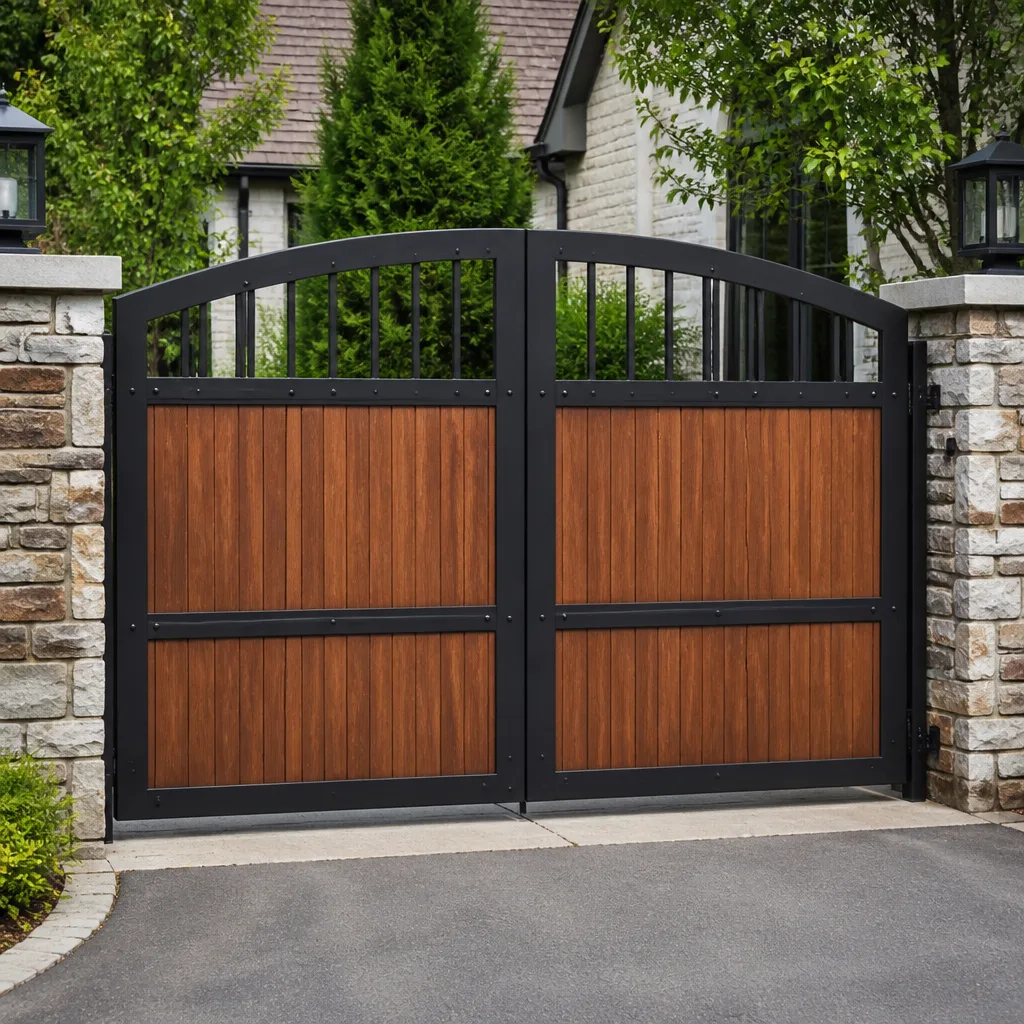 Wood & steel frame
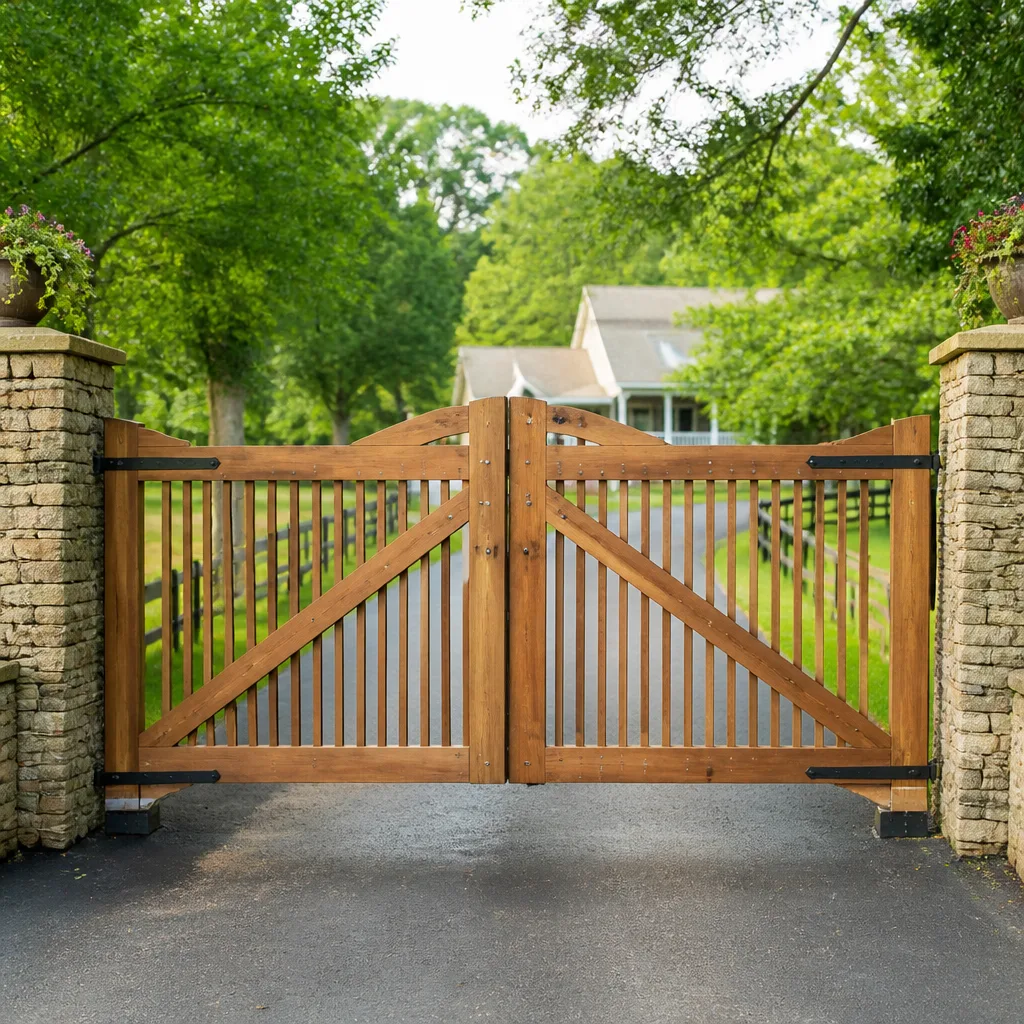 Farm & ranch
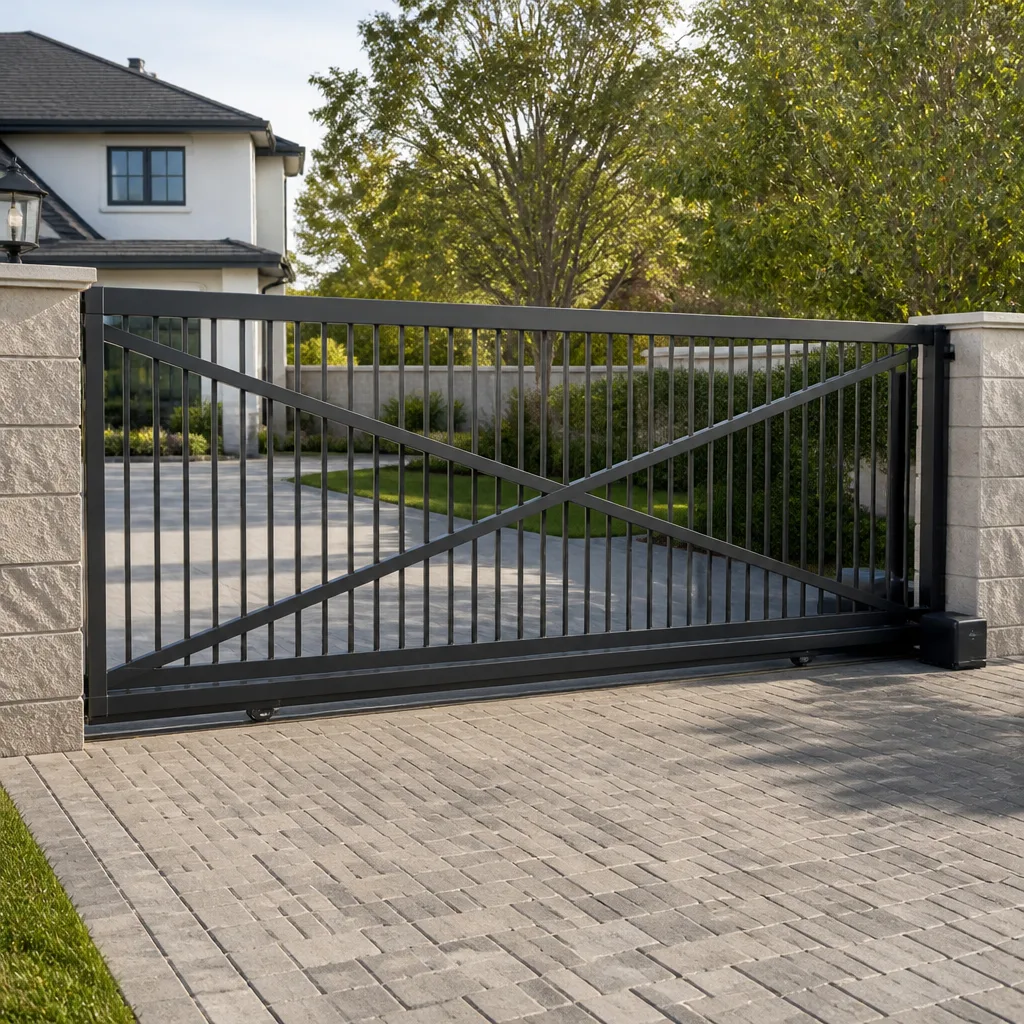 Sliding driveway gates
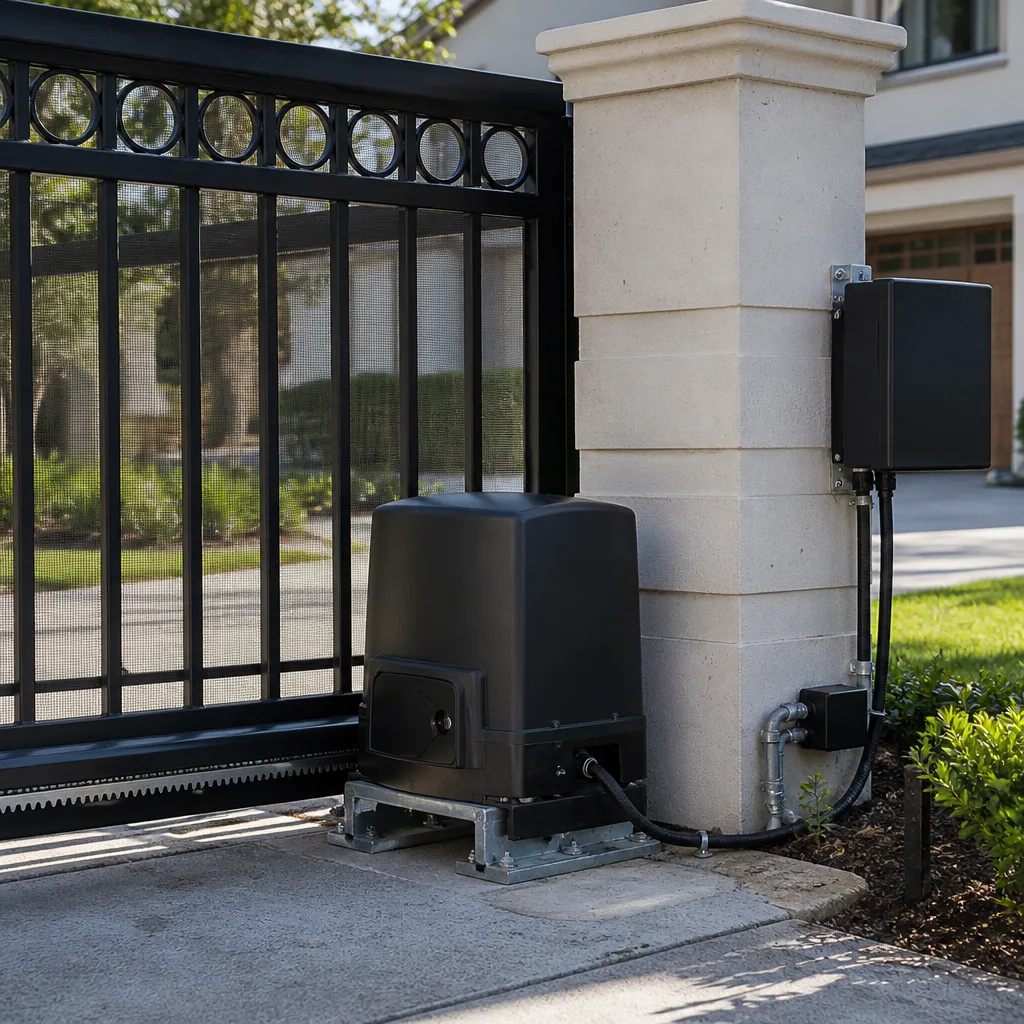 LiftMaster operators
Free on-site gate assessment - hinges, posts, and your LiftMaster or Nice gate operator checked before anything is quoted
The assessment is free and the quote is the invoice.
Get your free estimateDIY vs Professional Gate Repair: The Glendale Homeowner’s Decision Guide
Replacing a remote battery is a DIY job. Adjusting a loaded spring on a heavy swing gate is not. That line isn’t about how handy you are, it’s about stored energy, wiring codes, and what happens to your liability if a repair fails. Most guides skip that distinction and jump straight to “always call a pro,” which doesn’t help you when the problem is a chattering hinge or a sticky latch you could handle in twenty minutes. This guide draws the line repair by repair, with California insurance exposure and automation code rules explained in plain terms, so you know exactly which jobs are yours and which ones belong to a specialist. Glendale homeowners deal with heavy iron gates, hillside driveways, and a lot of legacy automation, and that shapes the answer here.
Quick Answer
Homeowner-safe repairs are limited to non-structural, non-electrical tasks: remote batteries and remotes, visible hardware like hinges, latches, and handles, cleaning and lubricating tracks and rollers, and clearing debris. Anything involving springs, cables, counterweights, welded frames, operators, control boards, loop detectors, safety edges, or the power supply should go to a professional. A gate repair professional is also the right call whenever a DIY fix could affect safety compliance or your homeowner’s insurance liability.
Styles & brands we work with
- Wrought iron
- Wood & steel frame
- Farm & ranch
- Sliding driveway gates
- LiftMaster operators
Table of Contents
- Where the DIY Line Actually Falls
- Gate Repairs That Are Genuinely Homeowner-Safe
- The Hard No: Springs, Cables, and Stored Energy
- The Automation Boundary: Boards, Loops, and Safety Edges
- California Liability: What a DIY Repair Does to Your Insurance
- Cost Comparison: What You Save vs. What a Redo Costs
- Parts and Tools Available to Glendale Homeowners
- Repair or Replace: How to Tell Which One Makes Sense
Where the DIY Line Actually Falls
The line isn’t about difficulty. Plenty of gate repairs are physically easy and still shouldn’t be a homeowner job. The real dividing question is whether a failure of your repair could hurt someone or violate an electrical or safety standard. A latch that sticks is annoying. A gate that closes with full force because a safety edge was bypassed is a hazard.
We sort gate work into three tiers, and it’s the framework we use on every diagnostic in Glendale:
- Tier 1 – Homeowner-safe. Cosmetic, hardware, and remote work with no stored energy and no electrical exposure. Basic hand tools, no special knowledge.
- Tier 2 – Conditional. Hinge and roller work on a manual gate that’s genuinely light, but only when the gate is fully supported, the hardware is standard, and the operator is switched off. If the gate is heavy or the operator is live, this becomes Tier 3.
- Tier 3 – Professional only. Springs, cables, counterweights, welding, operator motors, control boards, loop detectors, safety edges, and anything touching the low-voltage or line-voltage wiring.
Most of the confusion we see in Glendale comes from guides that talk about “gate repair” as one thing. It isn’t. A driveway gate on a hillside property with an older FAAC operator is a very different repair profile from a light pedestrian gate at the top of a walkway. The tier your job lands in depends on the gate, not on your confidence level.
Gate Repairs That Are Genuinely Homeowner-Safe
These are the jobs worth doing yourself. They save you a service visit, they don’t involve stored energy or electrical components, and if something goes wrong the worst outcome is a gate that still doesn’t close right. That’s the whole point of the DIY tier: no injury risk, no compliance risk.
- Remote battery replacement. The most common call that never needs to be a call. Pop the case, swap the battery, test from inside and outside the property.
- Pairing a new remote. On most systems you can add a remote from the operator’s learn button or the keypad. Instructions are in the operator manual, which is worth finding and keeping.
- Cleaning and lubricating tracks and rollers. On a slide gate, debris in the track and dry rollers cause most of the grinding sounds. Clear the track, apply a gate-appropriate lubricant, cycle the gate a few times.
- Latch, handle, and hinge tightening. Loose screws and worn bushings on a light pedestrian gate are a screwdriver job. Replace worn hinges with the same size and rating.
- Clearing vegetation and debris. Vines, leaves, and dirt in the gate’s travel path cause stalling and false obstructions. A few minutes with a rake and a broom fixes more “gate problems” than people expect.
- Straightening a visibly bent light-duty panel. Only on a light gate, only when the straightening doesn’t require force against a loaded component. If the gate is heavy, stop and call.
Everything on that list shares one property: no release of stored energy. Once a repair involves tension, weight, or voltage, it leaves the DIY tier. For the jobs that stay here, our gate repair page covers what a professional visit includes if the fix doesn’t hold.
The Hard No: Springs, Cables, and Stored Energy
A loaded spring on a heavy swing gate stores enough energy to cause serious injury if it releases suddenly. That’s not a scare line. It’s the reason technicians treat those components with a specific procedure and specific tools. The same applies to tensioned cables, counterweight systems, and anything that holds a heavy gate panel in suspension. If a component is holding weight or tension, it is not a homeowner job, full stop.
What to look for that tells you it’s time to stop and call:
- Sagging gate panel that no longer lines up with the post or latch.
- Visible fraying on a cable, or a cable that’s come off a pulley.
- A spring that looks stretched, bent, or has separated from its mount.
- Any noise that sounds like metal under tension when the gate moves.
- A gate that’s noticeably harder to move by hand than it used to be.
If you see any of those, don’t try to tension, adjust, or remove the part. Move people and vehicles away from the gate’s path and book a professional. In our experience across Glendale, the jobs that go wrong are the ones where a homeowner tried to “just take a little tension off” without the right tools. Springs and cables get flagged immediately, which is why we don’t publish adjustment steps here. The right answer for this tier is a trained technician, not a procedure. If you’re not sure which tier your gate is in, our team at Glendale Gate Repair will tell you honestly over the phone before anyone is dispatched.
The Automation Boundary: Boards, Loops, and Safety Edges
If your gate has an operator, the automation system is the hard line. Even a repair that “works” can create a code problem. Safety edges, loop detectors, and the operator’s control board are part of a safety system that’s designed to a standard. Bypassing a safety edge, miswiring a loop detector, or swapping a board without matching the operator’s parameters can leave a gate that closes on a person or a vehicle.
What that means in practice: remote and keypad work is fine. Anything inside the operator housing, the control board, the low-voltage wiring, the loop in the driveway, or the safety edges along the gate’s closing edge is professional territory. In Glendale we regularly see systems where a previous homeowner patched a loop detector or taped a safety edge back together, and the repair that follows is always more involved than the original fault. Older LiftMaster and FAAC operators, in particular, have specific parameters that need to be set correctly after a board replacement.
For the full scope of what a specialist handles on these systems, our electric gate repair page covers the diagnostics and how we approach operators from residential-grade units through commercial systems. The short version: if you can’t explain how your operator’s safety reverse functions, you shouldn’t be inside the housing. Call a specialist. That’s not a skill judgment, it’s a compliance one.
California Liability: What a DIY Repair Does to Your Insurance
Here’s the part most DIY guides leave out. If a gate repair you did yourself contributes to an injury on your property, your homeowner’s insurance claim can become complicated. Insurers assess whether the property was maintained in a reasonably safe condition. A documented professional repair supports that. A DIY repair on a safety system, or a repair that disabled a safety feature, does not. And a gate is a moving, heavy object at the edge of a public or shared driveway, which makes the exposure real rather than theoretical.
What matters for a claim:
- Whether the repair was on a safety system (edges, loops, operator) or on non-safety hardware.
- Whether the work was performed by someone with the tools and knowledge to do it correctly.
- Whether there’s a record of the repair, when it happened, and what was done.
- Whether the repair met the applicable code and safety requirements at the time.
None of that means you should never touch your gate. It means you should keep the DIY work in the tier where DIY is actually safe. A latch you tightened yourself doesn’t put you at risk. A safety edge you bypassed “just for now” does. If you’re unsure whether a repair touches a safety system, that’s the moment to call. Our team works in Glendale and the surrounding area and will tell you upfront whether a job is DIY-appropriate. If you’re outside the immediate area, start with our Glendale page for the local service picture.
Cost Comparison: What You Save vs. What a Redo Costs
DIY saves money on the right jobs and costs money on the wrong ones. A remote battery, a new hinge set, or a track cleaning is a few dollars in parts and a half hour of your time. None of that needs a service visit. A botched operator repair, on the other hand, tends to cost more to undo than the original repair would have. A board that’s been back-fed by a miswired loop detector, or a safety edge that’s been bypassed and then needs the full harness replaced, is a bigger job the second time. We won’t quote specific redo numbers here because every gate is different, but the pattern holds: the redo is nearly always more than the first attempt would have been.
How we price work: per job, by written estimate. The estimate is free, and the price is agreed before any work starts. What that means for the DIY decision:
- DIY is a clear win on remotes, batteries, latches, hinges, track cleaning, and vegetation clearing.
- DIY is a wash on loose hardware that’s already tight but not quite right – you’ll get it fixed eventually, or you’ll call, and neither is expensive.
- DIY is a loss on springs, cables, operator components, safety edges, loop detectors, and anything requiring the operator to be opened.
The right question isn’t “how much does it cost to have someone fix it.” It’s “what’s the exposure if my fix is wrong.” For Tier 1, small. For Tier 3, potentially the whole repair plus a liability question. If you want a free estimate on a job that’s borderline, call (888) 853-9043. We answer 24/7, and we’ll tell you which tier it belongs in.
Parts and Tools Available to Glendale Homeowners
For the DIY tier, Glendale is well-stocked. Hardware stores and home centers across the area carry the common stuff: replacement remotes for the most common operators, hinge sets for light gates, standard latches, rollers, gate lubricants, and basic hand tools. For brand-specific remotes and keypads, the manufacturer’s own site or a specialist supplier will have the right model match, which matters more than people realize. Buying a remote “for a LiftMaster” without checking the operator’s model often ends in a return trip.
What’s harder to source locally, and where a trip to a store won’t help:
- Operator-specific control boards and matched safety edges.
- Replacement springs rated to the gate’s weight and swing.
- Loop detector wire and the equipment to test an existing loop.
- Replacement operator motors for FAAC, BFT, Linear, and similar systems.
Parts availability is one of the reasons a brand-focused tech saves time. We work with the brand you already have across the systems common in Glendale, from residential Mighty Mule and Ghost Controls units up through commercial-grade FAAC, BFT, and DoorKing systems. If a part needs matching to a specific operator, a specialist can source it correctly the first time. That’s not a sales pitch, it’s how we avoid a return visit.
Repair or Replace: How to Tell Which One Makes Sense
The DIY-vs-pro question has a sibling: repair vs. replace. The two decisions often get lumped together, and they shouldn’t be. Plenty of gates that homeowners assume need replacing just need a repair. And a few gates that look repairable are on their last adjustment. Here’s how to think about it without guessing.
Signs a repair is likely the right call:
- The gate itself is structurally sound, with no rust through the frame or heavy panel deformation.
- The operator runs, and the failure is isolated to one component – a board, a loop, a remote receiver, a safety edge.
- The hardware is standard and available for your system’s brand.
- The gate still closes correctly and securely when cycled by hand (operator off).
Signs the gate is at the end of its service life:
- Multiple failures in different components within a short window.
- Frame damage that affects the gate’s alignment and can’t be corrected without welding.
- An operator that’s beyond reasonable repair, and the gate itself is otherwise worth upgrading to a modern automated system.
- A manual gate where the owner wants automation and the existing structure supports it.
When replacement is the answer, we cover gate installation in addition to repair, so you don’t need a second vendor to move from a repair conversation into a new install. We’ll tell you honestly which one makes sense for your gate. No upsell either direction.
Common Mistakes to Avoid
- Bypassing a safety edge “for now.” A safety edge is the system that stops the gate closing on a person or vehicle. Bypassed edges cause the most serious outcomes, and they often void any claim that the repair was reasonable.
- Buying a remote without checking the operator model. Remotes are matched to specific operators, not just brands. Buying one “for a LiftMaster” without confirming the model means a return trip and a wasted hour.
- Trying to take tension off a loaded spring. The single most dangerous DIY mistake on this list. Springs and cables are professional-only, and there’s no safe version of the homeowner procedure.
- Cleaning a slide gate track with the wrong product. Oil-based lubricants attract dust and grit, which accelerates roller wear. Use a gate-appropriate product, not whatever’s in the garage.
- Assuming every gate problem is an operator problem. Plenty of “the gate won’t close” calls turn out to be a debris jam, a misaligned latch, or a roller worn flat. Diagnose the mechanical side first, then the automation.
- Ignoring a grinding noise on a slide gate. Grinding usually means worn rollers or a track problem. Left alone, it wears the track, and the repair gets more involved.
- Skipping the writing-down part. Keep a note of what you did, when, and with what part. It’s useful for future repairs and, in the wrong scenario, it supports a homeowner’s insurance claim.
See the difference
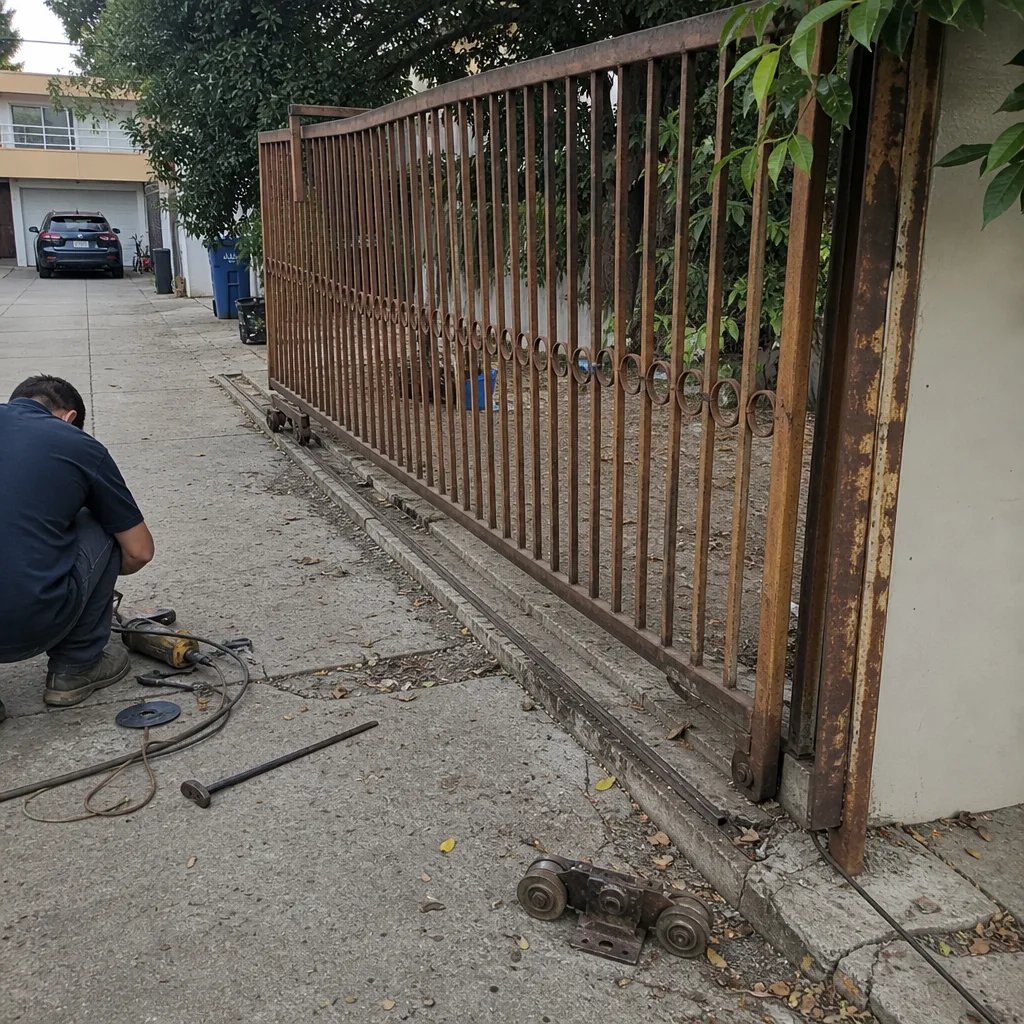 Before
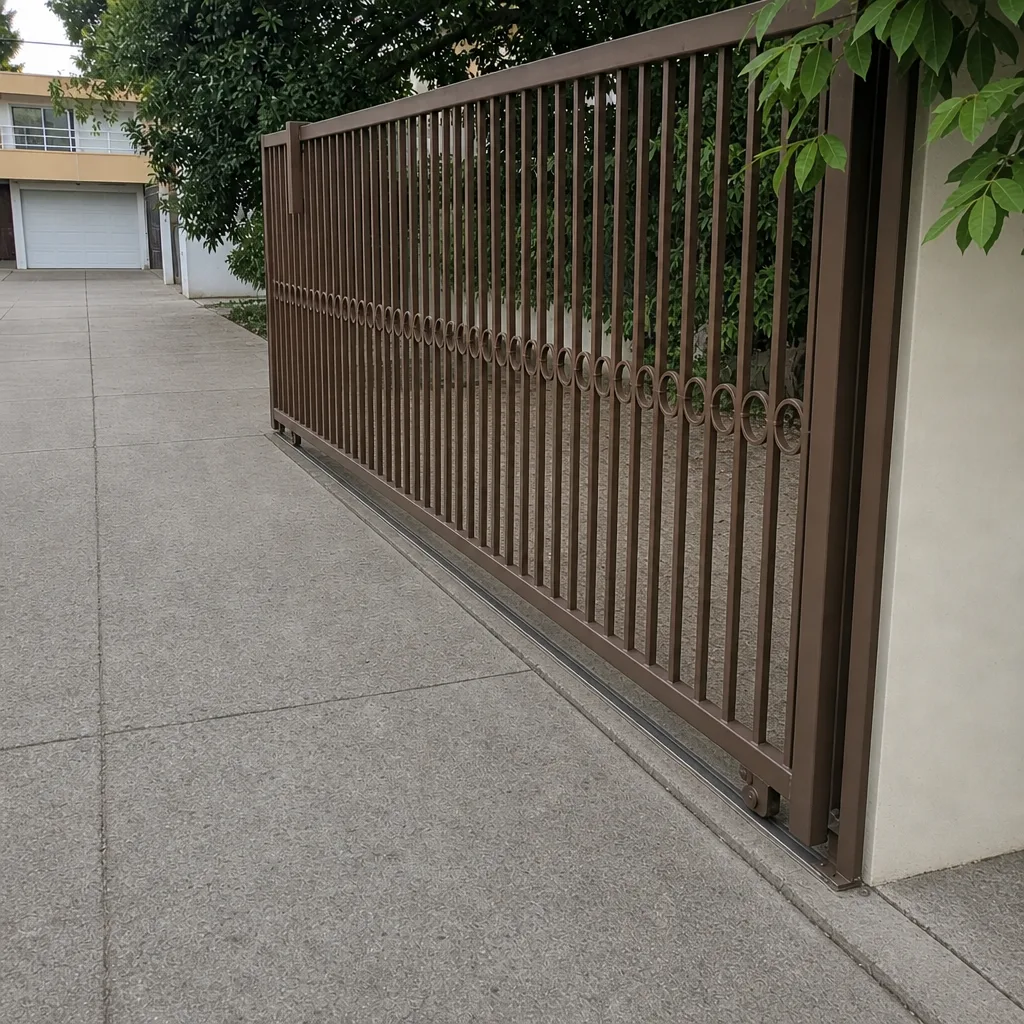 After
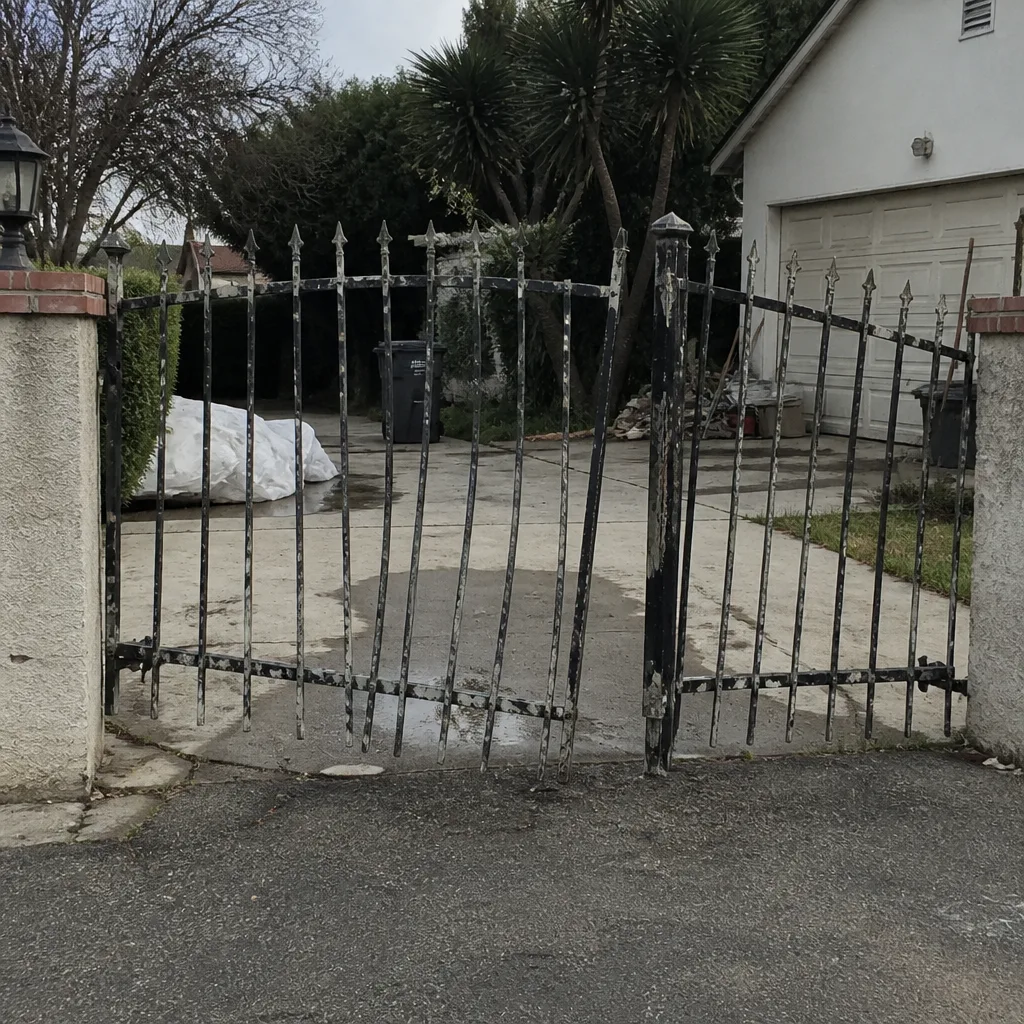 Before
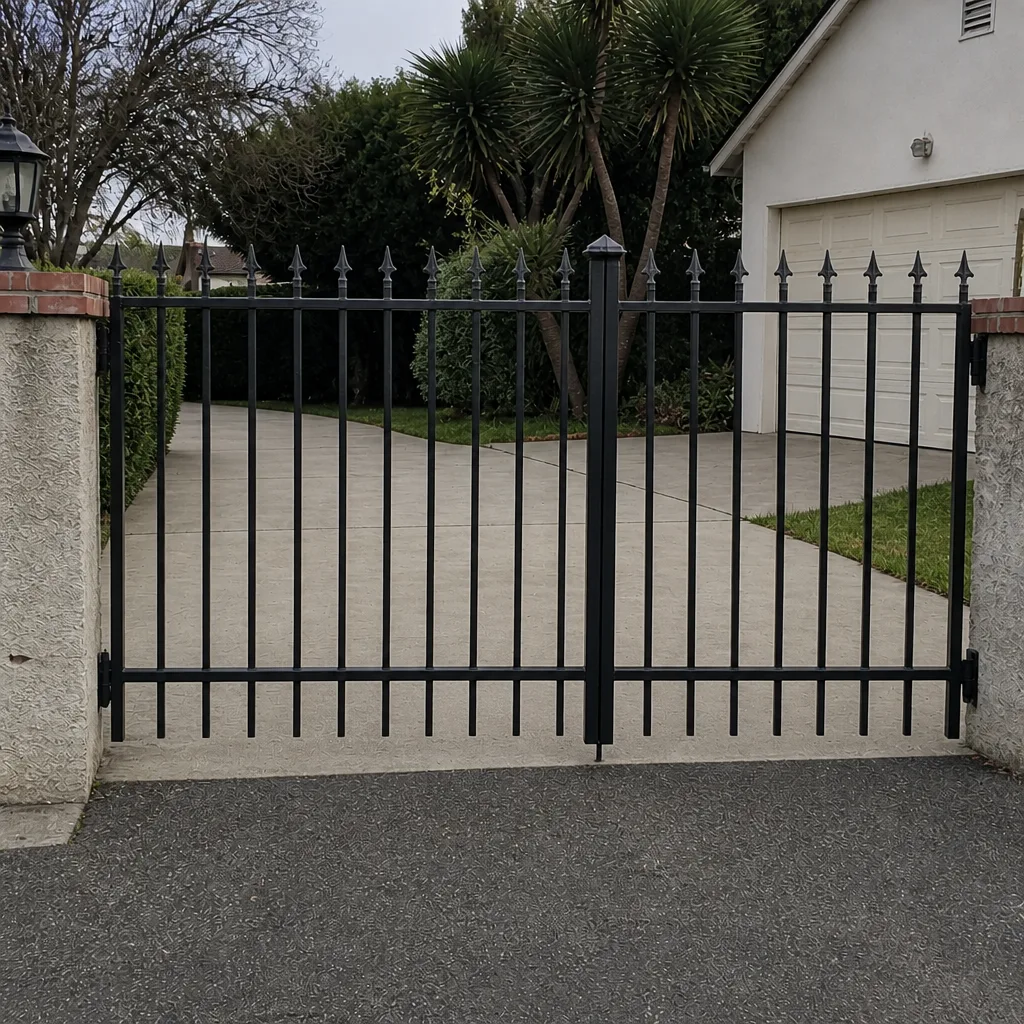 After
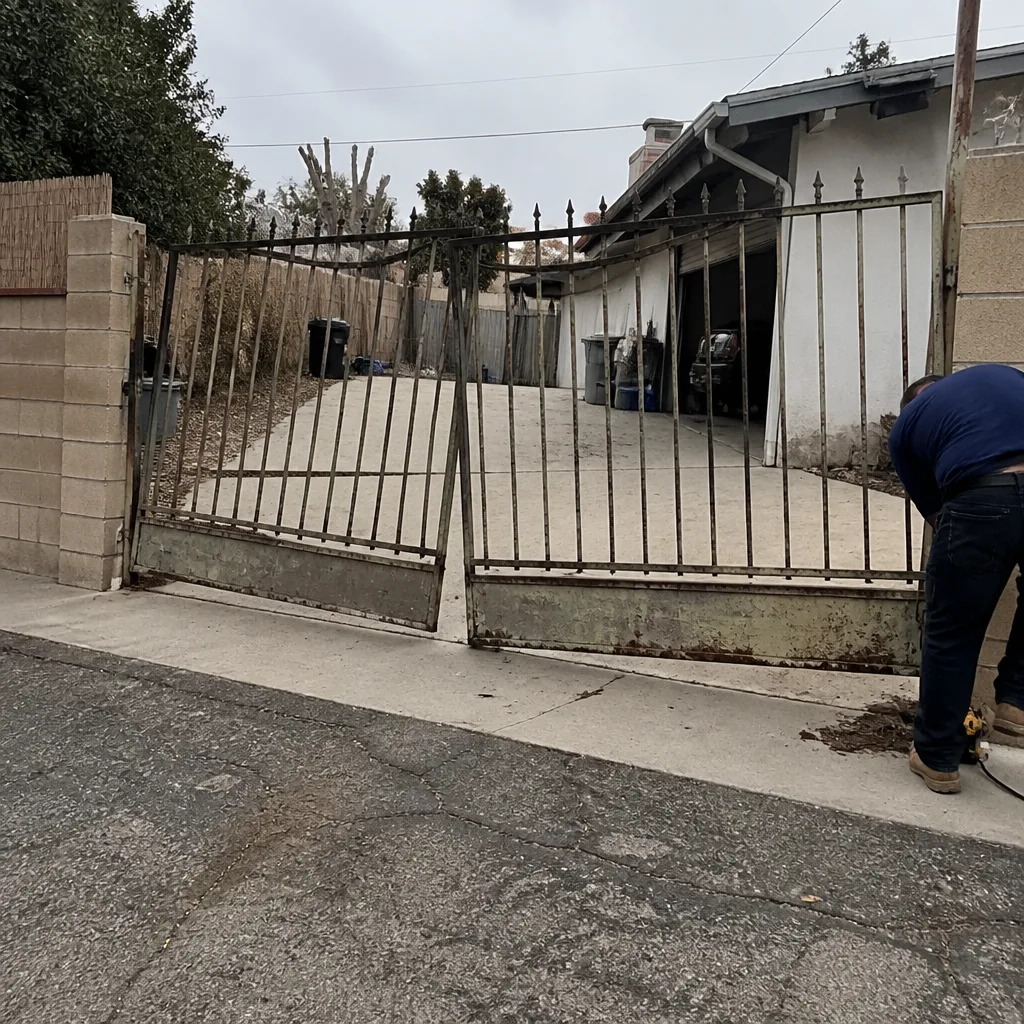 Before
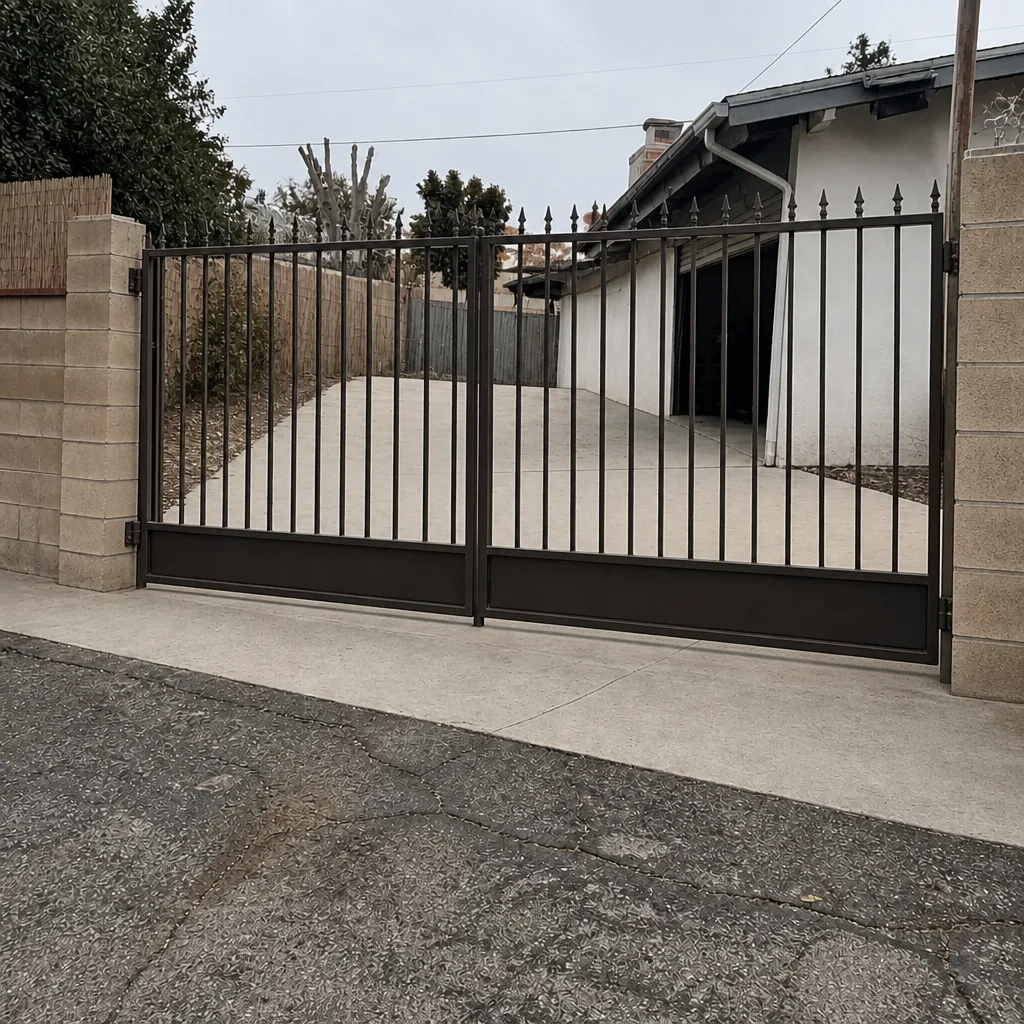 After
When to Call a Professional
Call a professional when the repair is on a spring, cable, counterweight, welded frame, operator motor, control board, loop detector, safety edge, or the low-voltage or line-voltage wiring. Call when a gate sags, when a cable looks frayed, when the operator stops mid-cycle, when a gate moves harder than it used to, or when you can’t describe how your operator’s safety reverse functions. Call when the gate is heavy and the repair would put your hands anywhere near stored energy. And call if a repair you tried didn’t hold – the redo is usually more involved than the original would have been. Glendale Gate Repair offers free estimates in Glendale. Call (888) 853-9043. We answer 24/7. Fast dispatch, 7am-7pm.
Frequently Asked Questions
Remote battery replacement, pairing a new remote, cleaning and lubricating tracks and rollers, tightening or replacing latches and hinges on a light gate, and clearing vegetation from the gate’s travel path are homeowner-safe. Anything involving springs, cables, the operator, control boards, loop detectors, safety edges, or wiring should go to a professional. Call (888) 853-9043 if you’re unsure which category your job falls into – estimates are free.
No. A loaded torsion spring on a heavy swing gate stores enough energy to cause serious injury if it releases, and there’s no safe homeowner procedure for adjusting one. Move people and vehicles away from the gate and call a trained technician. Call (888) 853-9043 for a free estimate – we’ll tell you what the repair involves before anyone is dispatched.
It can, especially if the repair is on a safety system like a safety edge, loop detector, or operator, and that repair contributes to an injury on your property. Insurers assess whether the property was reasonably maintained. Keeping DIY work to non-safety tasks and having safety-system work done professionally keeps that exposure small. If a repair touches anything safety-related, that’s a good moment to call (888) 853-9043 for a free estimate.
Pricing is per job by written estimate, so the exact number depends on the gate, the component, and whether parts need to be sourced. The estimate is free, and the price is agreed before any work starts. Call (888) 853-9043 – estimates are free and we’ll tell you whether a job is DIY-appropriate or needs a specialist visit.
Gate repair covers the physical gate: frame, hardware, hinges, latches, rollers, tracks, and structural issues. Electric gate repair covers the automation system: operator motor, control board, loop detector, safety edge, remotes, and access components. Many “gate repair” jobs turn out to be automation faults and vice versa, which is why an on-site diagnostic matters. Call (888) 853-9043 for a free estimate.
Often, yes. A repair that’s been attempted and failed usually costs more to undo than the original repair would have cost to do. That pattern holds on operator components, control boards, and safety edges especially. For the DIY-appropriate jobs – remotes, latches, hinges, track cleaning – there’s no downside to trying it yourself. Call (888) 853-9043 for a free estimate on anything outside that list.
The Bottom Line
The DIY vs. professional question isn’t about your skill level. It’s about which repairs carry stored energy, electrical exposure, or a safety-system compliance question. Handle the Tier 1 work yourself: remote batteries, latches, hinges, tracks, vegetation. Leave the springs, cables, operators, boards, loops, and safety edges to a specialist. Keep a record of every repair you do. And when a job sits on the border, get a free estimate before you start. That’s the whole framework, and it applies whether your gate is a light pedestrian gate in Glendale or a commercial-grade setup. Call (888) 853-9043. We answer 24/7. Fast dispatch, 7am-7pm, closed Saturday.
Written by the team at Glendale Gate Repair.