
Last updated November 16, 2026
 Wrought iron
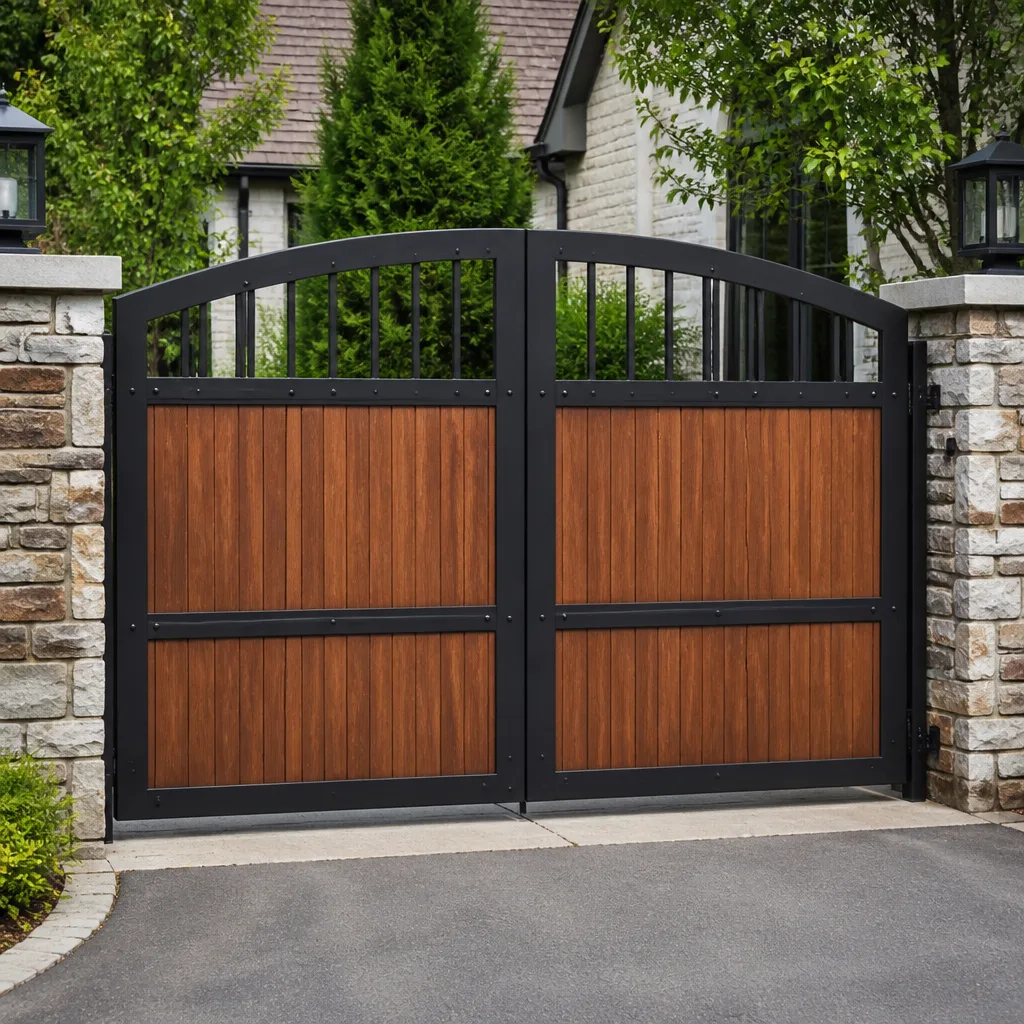 Wood & steel frame
 Farm & ranch
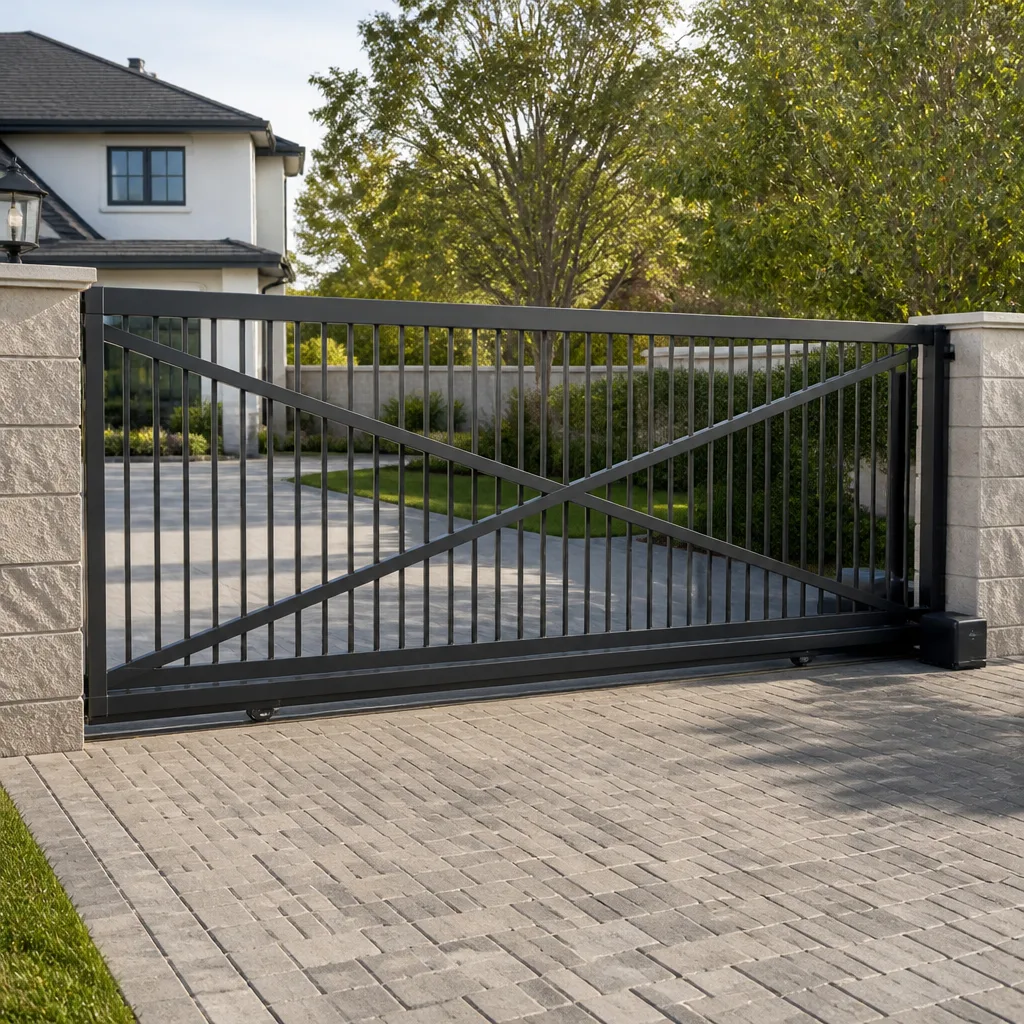 Sliding driveway gates
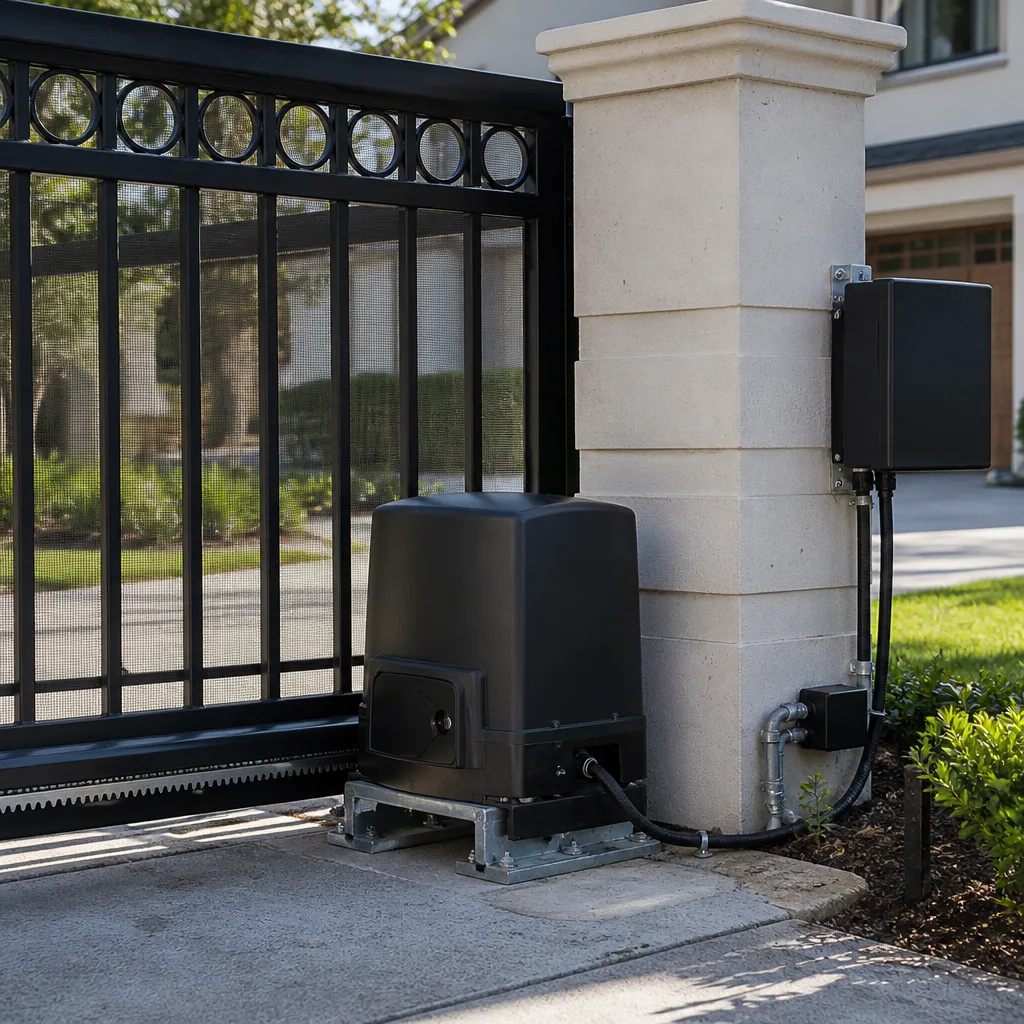 LiftMaster operators
Free on-site gate assessment - hinges, posts, and your LiftMaster or Nice gate operator checked before anything is quoted
The assessment is free and the quote is the invoice.
Get your free estimateSeasonal Gate Repair Care for Glendale: Year-Round Homeowner’s Guide
Most gate advice you’ll find online is written for a generic climate where everything freezes in winter and thaws in spring. Glendale doesn’t work that way. A sliding gate that glides perfectly in April can start binding in July when 100°F+ heat expands its metal track, and the very same gate can turn sluggish in December as cold thickens the lubricant in its rollers. Same gate, two completely different failure modes, and both of them are preventable with the right timing. Generic seasonal checklists miss this because they weren’t built for a place where the swing between Verdugo Mountains foothill heat and winter rain does the real damage. This guide walks through what your gate actually faces month by month in Glendale, and what to do about it before a small adjustment turns into a dead operator.
Quick Answer
In Glendale, gate care follows the local climate, not the calendar you’d use elsewhere: prep tracks and motors for summer heat and wildfire season in spring, protect wiring and footings from winter rain in fall, and use the post-winter window as your main diagnostic season. The two biggest seasonal failures here are heat-expanded tracks binding sliding gates in July and August, and rain-driven drainage problems around posts in winter. A simple inspection at each season change catches most of it before it becomes a repair.
Styles & brands we work with
- Wrought iron
- Wood & steel frame
- Farm & ranch
- Sliding driveway gates
- LiftMaster operators
Table of Contents
- Why Glendale’s Climate Stresses Gates Differently
- Summer Prep: Heat, Expansion, and Motor Ventilation
- Wildfire Season: Ash, Debris, and What to Check
- Winter and Rainy Season Prep
- Spring: The Best Diagnostic Season
- Month-by-Month Gate Care Calendar for Glendale
- Electric and Automated Systems: Seasonal Checks That Matter
- Repair or Replace? How to Decide After a Hard Season
Why Glendale’s Climate Stresses Gates Differently
Glendale sits in a spot where the weather does more to a gate than the mild average temperatures suggest. Lower parts of the city stay warmer and more sheltered, while homes climbing toward the Verdugo Mountains foothills see sharper summer heat and more direct afternoon sun. That difference matters because metal, wiring, and lubricant all respond to temperature swings, and a gate at the base of the hills is doing different work than one on a shaded street in Glendale.
Two seasonal forces do most of the damage here. The first is summer heat. When the mercury climbs past 100°F in July and August, steel and aluminum tracks expand. A sliding gate that had a comfortable clearance in spring can suddenly be riding tight against its track, and that friction puts load on the operator motor. The second is the winter wet season. Rain doesn’t just fall on the gate; it collects around posts and footings, finds its way into electrical enclosures, and slowly works at any exposed metal.
Between the two sits wildfire season. Glendale’s foothill neighborhoods see smoke and airborne ash, both of which settle into track systems, motor housings, and control boxes. Ash isn’t just dirt; it’s abrasive and mildly corrosive, and left in a track it accelerates wear on rollers and slides.
What this means for you is simple: your gate has two failure seasons, not one winter. Spring is when you diagnose, summer and winter are when you protect. Getting the timing right is most of the battle, and it’s the reason a gate in Glendale needs a different care rhythm than the same gate installed somewhere with a flatter climate. If you’d rather have a specialist look it over than chase adjustments yourself, our gate repair team works on the system you already have.
Summer Prep: Heat, Expansion, and Motor Ventilation
Summer prep in Glendale is mostly about accommodating expansion and keeping the motor cool. The work you do in late spring, before the first really hot stretch, prevents the binding and overheating that show up in July and August. Here’s the sequence that keeps a gate running through the heat.
- Check track clearance on sliding gates. Run the gate by hand (with the operator disengaged) and feel for tight spots. If it drags at the ends of its travel, the track has likely expanded against the gate frame. A small clearance adjustment now prevents the motor from fighting the track all summer.
- Inspect motor ventilation. Automated operators rely on airflow to shed heat. Clear dust, cobwebs, and debris from vents and housings. A motor box packed with grit runs hotter and works harder, and that shortens the life of the control board inside.
- Look at wiring and seals for UV damage. Sun breaks down cable jackets and rubber seals over time. Cracked insulation and hardened gaskets let in dust and moisture. Run your eyes along exposed wiring and around any enclosure lid; anything chalky, cracked, or stiff is a candidate for replacement before the season peaks.
- Lubricate the right parts with the right product. Rollers and hinges benefit from a light lubricant; tracks generally want to stay clean rather than greasy so grit doesn’t stick. Ask what your operator’s manual recommends, and don’t over-apply.
- Test safety devices. Photo eyes, edge sensors, and loop detectors are what stop a gate from closing on a car or a person. Heat and dust are hard on them, so test each one before summer.
In our experience, the sliding gates that bind in Glendale’s summer are the ones that went into the heat with a tight track and a clogged motor box. Fifteen minutes of clearance and ventilation work in late spring saves a lot of grief later. If your operator is already struggling in the heat, electric gate repair is the place to start rather than forcing a strained motor to keep running.
Wildfire Season: Ash, Debris, and What to Check
If your gate was exposed to wildfire smoke or falling ash, the first thing to know is that ash isn’t harmless dust. It’s fine, abrasive, and often slightly alkaline, which means it wears moving parts faster than ordinary dirt and can pit exposed metal if it sits. After a smoke event or a nearby fire, a gate in the Glendale foothills needs more than a quick hose-down.
Work through these checks after any significant ash fall:
- Clear the track and rollers. Ash collects in the low points of sliding tracks and around roller assemblies. Blow or brush it out; don’t just push it to one end.
- Check the motor housing and control box. Fine particulate works its way into vents and around seals. If the enclosure isn’t fully sealed, ash can reach the control board, and that’s where intermittent faults come from.
- Inspect photo eyes and sensors. Ash on a lens can weaken a beam or trigger false stops. Wipe sensor faces and test that each one still reads correctly.
- Look at exposed wiring. Heat and smoke don’t usually damage cable directly, but embers and debris can scorch or abrade a jacket. Any damaged insulation needs attention.
- Rinse and dry metal surfaces. A gentle wash removes alkaline residue before it works at paint and bare metal. Dry thoroughly afterward, especially around hinges and pivots.
The good news is that most smoke and ash exposure is survivable for a gate if you clean it promptly. The mistake we see is leaving ash in the track until the gate starts to grind. Once abrasive grit is in a roller bearing, it’s a replacement part, not a cleaning job. If your gate was near a fire and the operator behaves oddly afterward, don’t keep cycling it; have it looked at, especially if the control board or wiring shows any sign of heat or ash intrusion.
Winter and Rainy Season Prep
Glendale’s winters are mild, which is exactly why rain damage often goes unnoticed until it’s serious. The gate doesn’t freeze, so nothing announces a problem; water simply collects where it shouldn’t and works slowly. Winter prep is about redirecting water and protecting the electrical parts that don’t like getting wet. Fall is the time to do it.
- Check drainage around posts and footings. Water pooling at the base of a post softens the ground and can lead to the post settling or shifting out of plumb. Look at the grade around each post after a rain and confirm water drains away from the gate, not toward it.
- Inspect electrical enclosures and their seals. The control box, keypad housing, and any junction boxes need intact gaskets and tight lids. A small gap that lets in water can short a control board or corrode terminals over a season.
- Apply anti-corrosion treatment to exposed metal. Humidity and rain work on hinges, bolts, and bare metal edges. A protective coating on moving metal parts slows rust and keeps pivots moving freely.
- Clean and re-check track alignment. Wet leaves and debris in a track create their own problems in winter. Clear them and confirm the gate still tracks straight before the rains settle in.
- Test the operator under damp conditions. A motor that behaves fine when dry but stutters after rain is telling you the enclosure or wiring has a moisture problem. Catch it now rather than mid-season.
In our experience, most winter gate failures in Glendale trace back to water finding a way into an electrical enclosure or undermining a post. Neither happens all at once, so a fall inspection is the difference between a small fix and a mid-winter outage. New installation is worth considering if posts have shifted repeatedly; our Glendale Gate Repair team can tell you honestly whether repair or replacement makes more sense.
Spring: The Best Diagnostic Season
Spring is the season that pays for itself. After a winter of rain and a summer of heat, the gate has accumulated small problems all year, and spring is when they’re still cheap to fix. Think of it as your annual checkup: the point isn’t to do heavy work, it’s to catch the cumulative wear before it turns into a failure. This is especially true in Glendale, where a gate can look and sound fine while a post is quietly settling and a control box has taken on a little moisture.
What a spring diagnostic should cover:
- Post plumb and footing stability. Confirm posts are straight and firm. Shifting footings from winter drainage show up here.
- Hinge, roller, and track wear. Look for flat spots, wobble, and grooves that have built up over the year.
- Operator motor and control board function. Run the gate through a full open and close cycle and listen for strain, uneven speed, or hesitation.
- Safety device response. Test every photo eye, edge sensor, and loop detector. These are the parts that protect people and property.
- Wiring and enclosure seals. Check for moisture, corrosion, and cracked jackets after the wet months.
- Battery backup and remote function. Confirm the operator’s backup still works and remotes respond reliably.
The spring window matters because damage compounds. A slightly worn roller becomes a misaligned gate; a misaligned gate strains the motor; a strained motor burns out a control board. Catching it one stage earlier is far cheaper than catching it at the end. If you’re not comfortable running the checks yourself, this is exactly the kind of inspection our Glendale specialists do as part of a repair call.
Month-by-Month Gate Care Calendar for Glendale
Here’s the practical calendar we’d hand a homeowner. It maps the tasks above to the local climate pattern so nothing gets forgotten. Exact timing shifts with the weather each year, but the sequence holds.
- Late February – March (post-winter diagnostic): Full inspection for cumulative wear, post stability, moisture in enclosures, and safety device function. This is the big one.
- April – early May (summer prep): Track clearance and thermal adjustment for sliding gates, motor ventilation cleaning, UV inspection on wiring and seals, lubrication of rollers and hinges.
- June – August (heat management): Watch for binding and motor strain, re-test safety devices as temperatures peak, keep tracks clean of grit. Address any overheating or struggling operator promptly.
- September – October (wildfire and ash readiness): Clear debris from tracks, confirm vents and seals are intact, clean sensors. After any ash event, do the post-smoke checks.
- November – January (rain prep and monitoring): Check drainage around posts, seal electrical enclosures, apply anti-corrosion treatment, clear wet leaves. Re-check after heavy rain.
If you only do two touchpoints a year, make them the spring diagnostic and the fall rain prep. Those two cover the most expensive failure modes in Glendale. A gate-exclusive specialist can compress this whole calendar into a single visit at each season change.
Electric and Automated Systems: Seasonal Checks That Matter
Automated gates need everything manual gates need, plus attention to the parts that make them move on their own. Heat and moisture are the two seasonal enemies here, and both hit the operator and its controls harder than they hit the gate panels.
The operator motor is the first concern. In summer heat, a motor that’s already working against an expanded track or a stiff roller runs hot, and hot motors wear faster. In the wet season, a motor with a compromised enclosure can take on moisture that corrodes terminals and shorts the control board. Either way, the operator is doing the heavy lifting, so it needs to be kept cool, clean, and dry.
Control boards and access components are the second concern. Boards are sensitive to moisture and voltage irregularities, and a damp enclosure is the usual culprit when a gate starts behaving unpredictably. Loop detectors, keypads, and access readers sit out in the weather and need their housings and seals checked each season. Photo eyes and edge sensors are safety-critical and should be tested at every seasonal pass.
We service LiftMaster, FAAC, BFT, Linear, Viking, Ghost Controls, DoorKing, Elite, and Mighty Mule operators, which means we diagnose the actual system you have rather than working around it. Whether your property runs a residential-grade operator or a commercial-scale system, the seasonal logic is the same: keep it cool in summer, dry in winter, and tested before each season. Our technicians have up to 13 years of experience on these systems, and if you’re upgrading or installing fresh, that falls under our gate installation work as well.
Repair or Replace? How to Decide After a Hard Season
After a tough summer or a wet winter, you’ll face the question: fix it, or start over? There’s no single right answer, but there are clear signals. A gate that’s structurally sound with a worn operator is usually a repair. A gate whose posts have shifted repeatedly, whose track is bent beyond adjustment, or whose control system has failed multiple times in a year is often better replaced. Our rule is simple: we’ll tell you honestly which one makes sense.
Lean toward repair when:
- The problem is isolated to one part (a roller, a hinge, a motor, a sensor) and the rest is in good shape.
- The gate panels and posts are solid and the operator is repairable.
- The failure is recent and seasonal, not a pattern of repeated issues.
Lean toward replacement when:
- Posts have settled or shifted and keep causing alignment problems despite repairs.
- The track or frame is bent or rusted beyond safe adjustment.
- The operator is failing repeatedly or the control board is beyond reliable repair.
- You want to upgrade from a manual gate to automation, which is a fresh installation rather than a repair.
If you’re unsure which side of the line you’re on, get a proper look before spending on a fix that won’t last. A gate-exclusive specialist focuses on the gate system itself, so you get a straight answer without a broader service pitch tacked on.
Common Mistakes to Avoid
- Treating Glendale like a four-season climate. Winterizing for snow and ice does nothing here; the real threats are summer heat expansion and winter rain around footings. Prep for the climate you actually have.
- Ignoring track clearance in spring. A sliding gate that binds in July usually had a tight track in April. Adjust clearance before the heat arrives, not after the motor is already straining.
- Leaving ash in the track after a smoke event. Ash is abrasive and collects in low points. Left in place, it grinds at rollers and accelerates wear. Clear it promptly.
- Over-lubricating tracks. A greasy track traps grit and dust, which makes the problem worse. Lubricate hinges and rollers as recommended and keep the track clean.
- Skipping the safety-device test. Photo eyes, edge sensors, and loop detectors protect people and property, and heat and dust are hard on them. Test every season.
- Assuming a dry-looking enclosure is sealed. Water finds small gaps, and a damp control box is a common cause of odd behavior. Check seals before the wet season, not after a fault.
- Putting off the spring diagnostic. Small wear becomes expensive wear. The spring check is where you catch cumulative damage while it’s still a cheap fix.
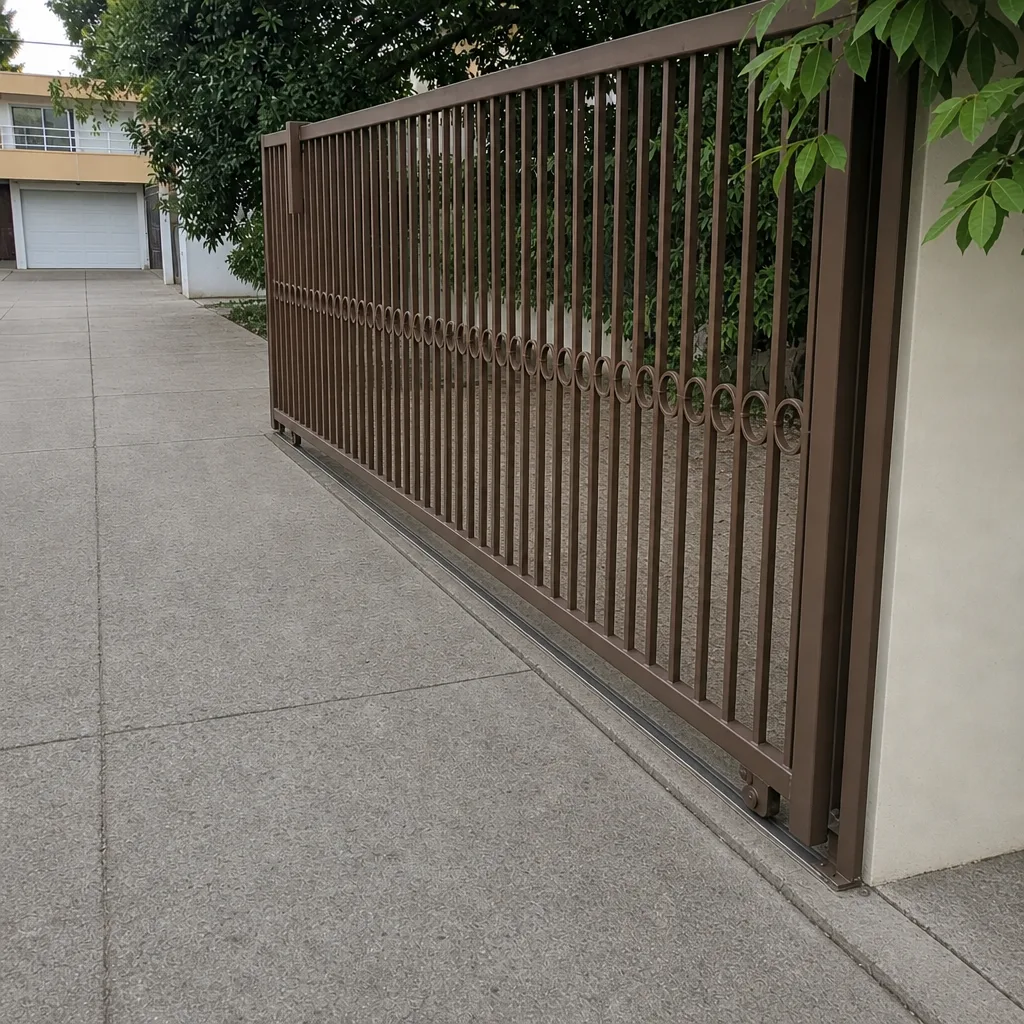
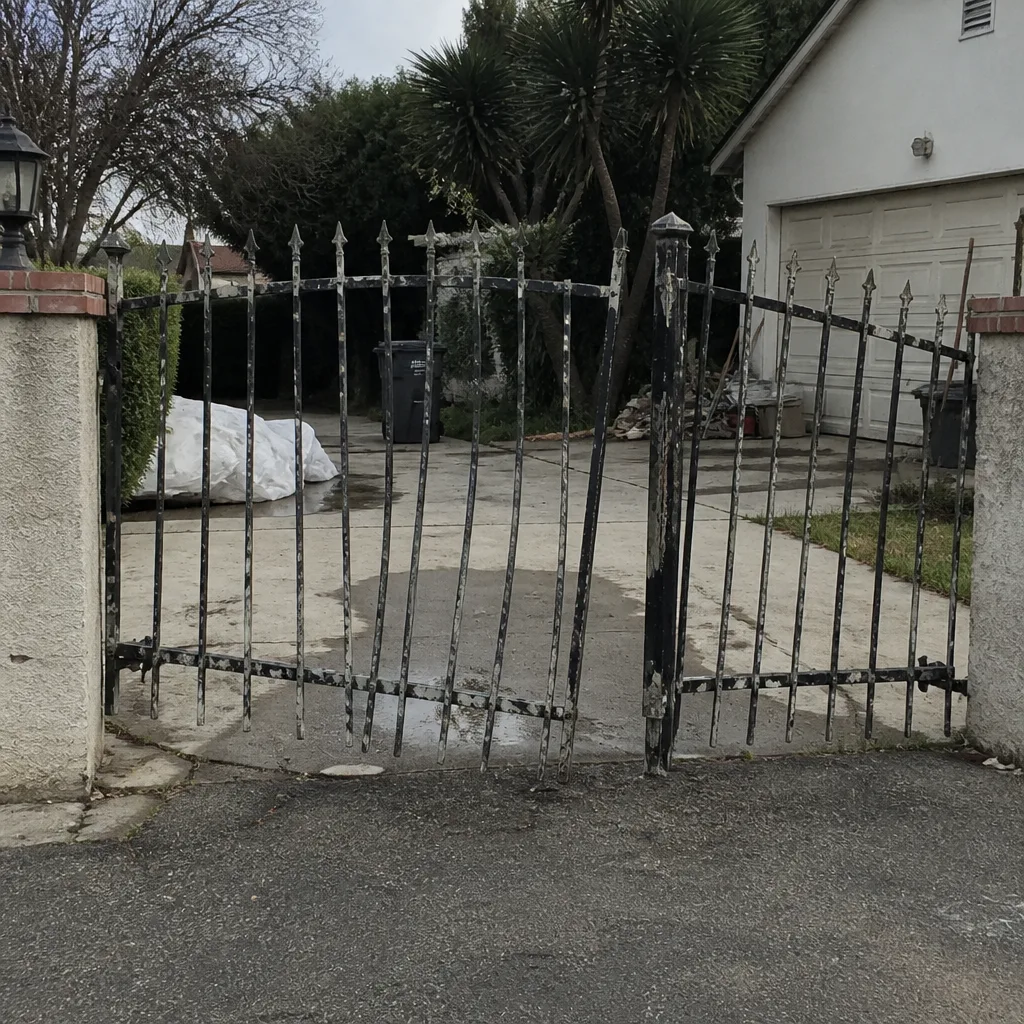
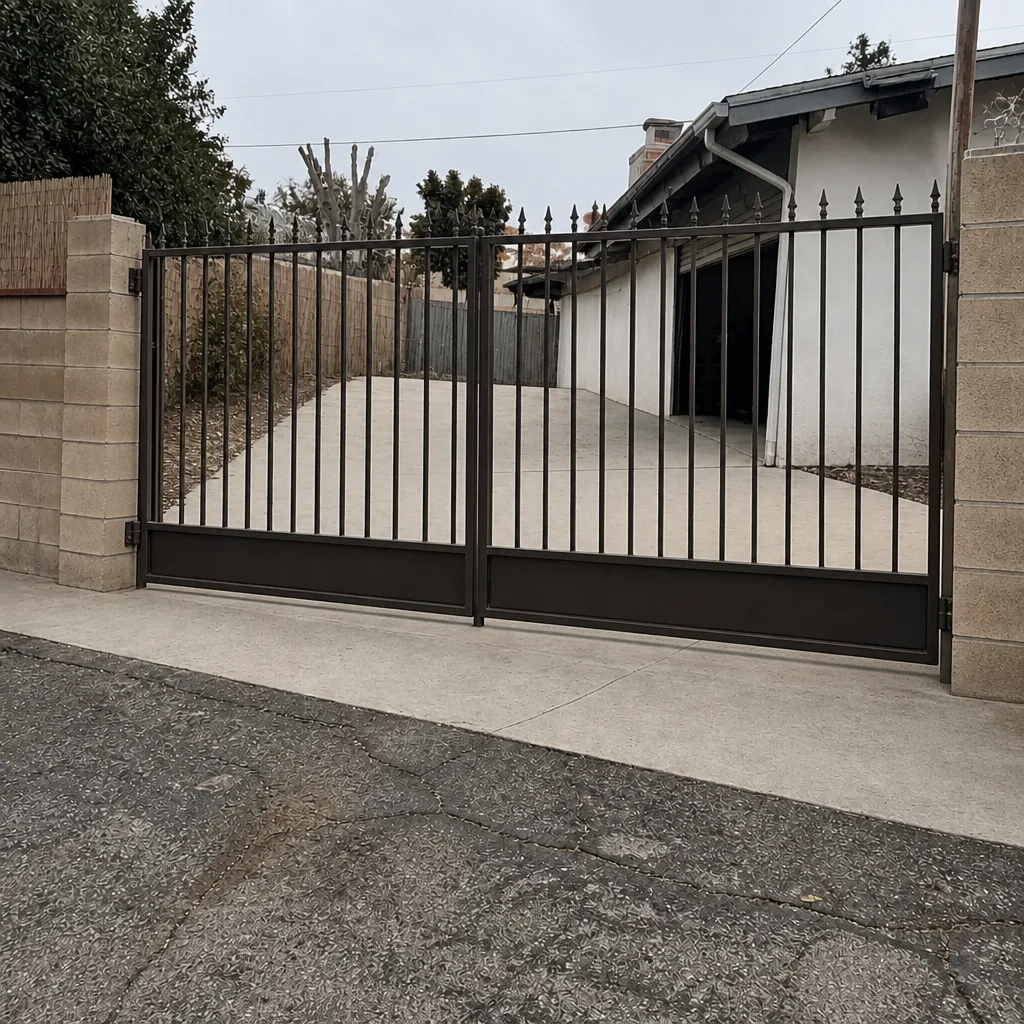
See the difference
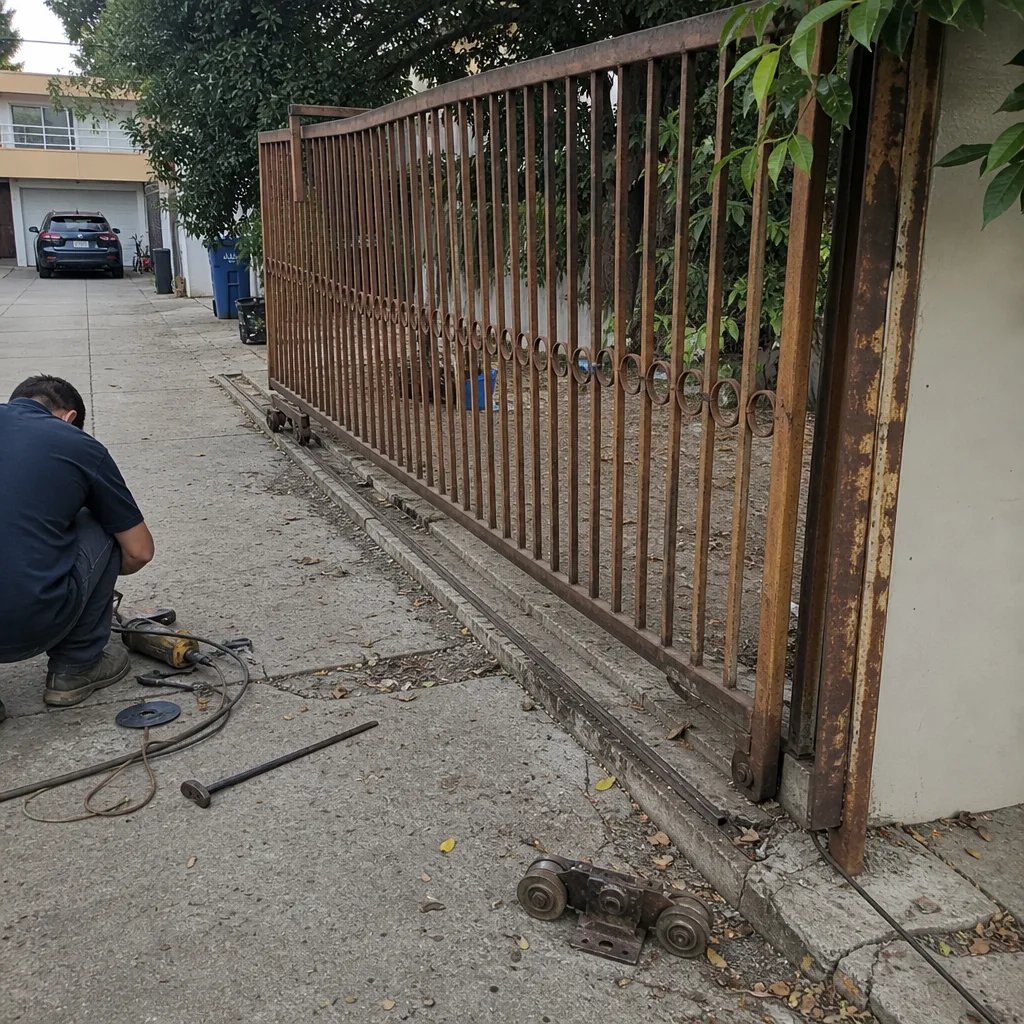 Before
 After
 Before
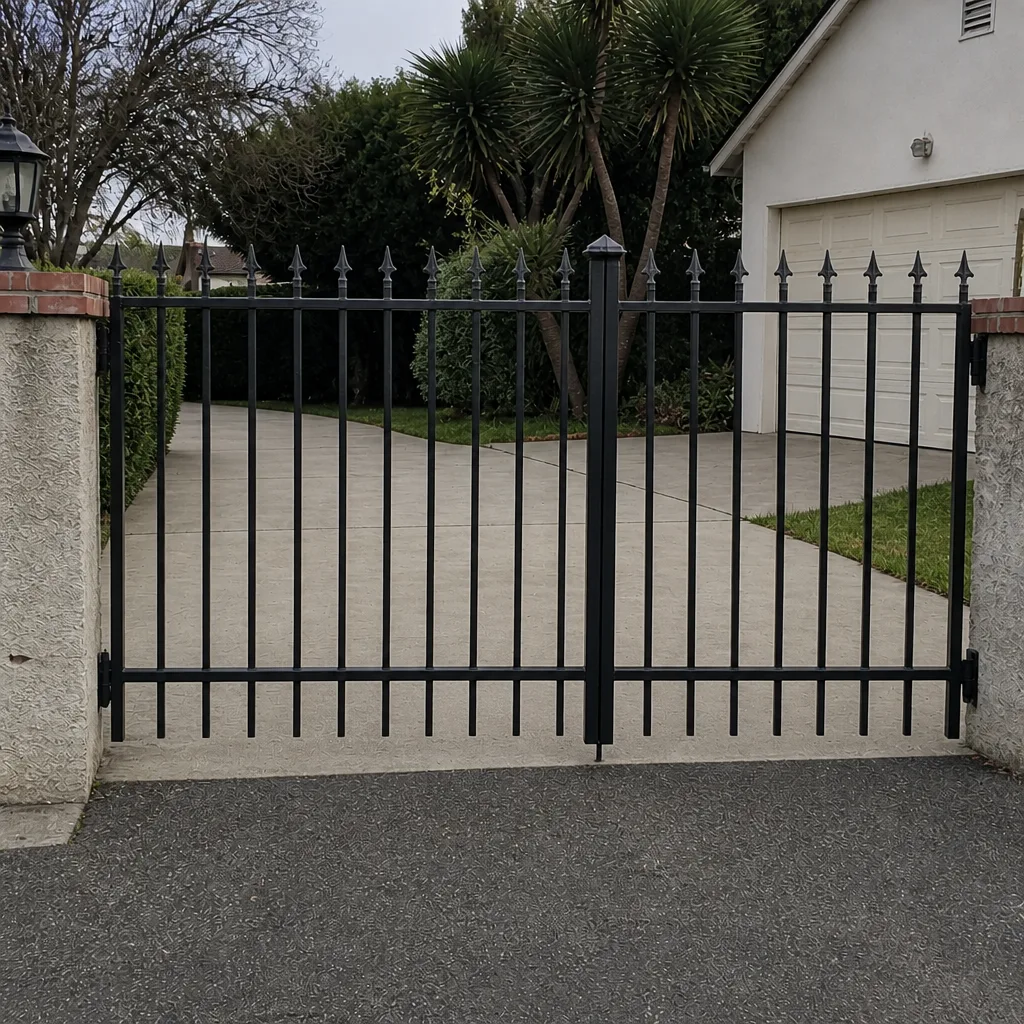 After
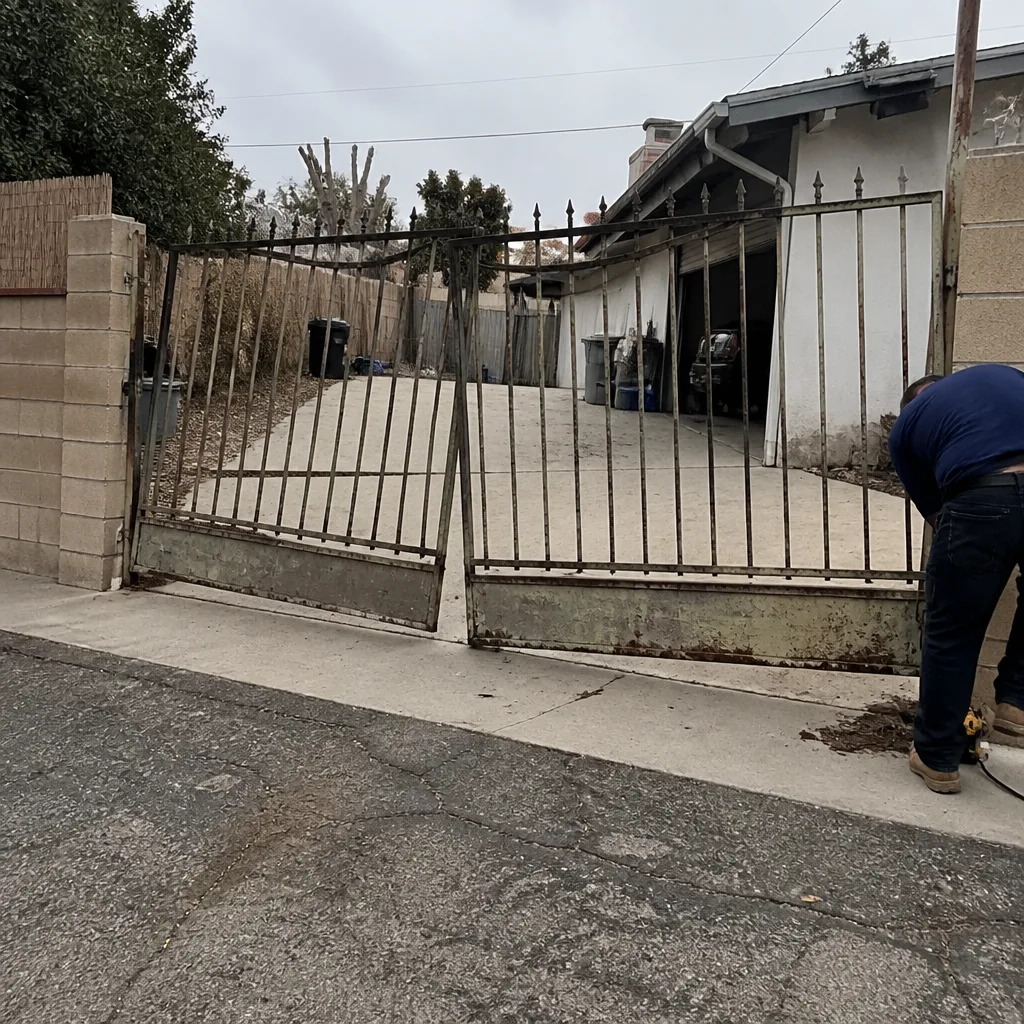 Before
 After
When to Call a Professional
Some seasonal tasks a careful homeowner can handle: clearing debris, wiping sensors, and keeping the track clean. Others should go to a professional. Call in a specialist if your gate binds, stalls, or moves unevenly; if the operator overheats, hesitates, or stops mid-travel; if a control board, enclosure, or wiring shows moisture or corrosion; if a post has shifted; or if any safety device fails its test. These are the situations where guessing costs more than a proper diagnosis. Glendale Gate Repair offers free estimates in Glendale, call (888) 853-9043. We answer 24/7, with fast dispatch from 7am to 7pm, Sunday through Friday. The price is quoted and agreed before any work starts, so there are no surprises on the invoice.
Frequently Asked Questions
Twice a year covers most homes here: a spring diagnostic after winter wet and a fall prep before the rainy season, with a summer check if the gate is heavily used or automated. The spring visit catches cumulative wear, and the fall visit prevents rain damage. Between visits, keep the track clean and test the safety devices after any weather event or ash fall.
Heat expansion is the cause. Metal tracks expand when temperatures push past 100°F, and a gate with a tight clearance in spring can start dragging by July. The fix is usually a clearance adjustment in late spring, before the hot stretch. If the operator is already straining, stop cycling it and get it looked at, call (888) 853-9043 for a free estimate.
Clear the track and rollers, wipe sensor faces, check the motor housing and control box seals, and rinse exposed metal surfaces gently before drying them. Ash is abrasive and slightly corrosive, so prompt cleaning matters. If the operator acts strangely afterward or the control board shows ash or heat intrusion, have a professional inspect it rather than running it.
Yes, mostly at the posts and the electrical parts. Rain pools around footings and can shift a post out of plumb, and it finds gaps in enclosures to reach control boards and wiring. That’s why fall prep focuses on drainage around posts and sealing the electrical boxes. The mild temperature means nothing freezes, so water damage tends to hide until it’s significant.
You can handle the safe basics: clearing debris, wiping sensors, keeping tracks clean, and visually checking for cracked wiring or rust. Leave track adjustments, motor and control board work, and any electrical enclosure work to a professional. Electrical components and motor operators carry real risk, and a mistake there can be costly or dangerous. Call (888) 853-9043 for a free estimate if you’re not sure what you’re seeing.
Replacement makes more sense when posts have shifted repeatedly, the track or frame is bent or rusted beyond adjustment, or the operator keeps failing. Isolated part failures on a structurally solid gate are usually a repair. The honest answer comes from a close look at the whole system, which is what we do before recommending either path. Call (888) 853-9043 for a free estimate.
The Bottom Line
Glendale’s climate is mild on paper, but the swing between foothill summer heat and winter rain creates two distinct stress seasons for any gate, and generic seasonal advice misses both. The two anchors of good care here are a spring diagnostic that catches cumulative wear and a fall rain prep that protects footings and electrical enclosures. Add summer heat management and post-ash cleaning for wildfire season, and your gate stays ahead of failure. Keep the track clean, test the safety devices, and let a specialist handle the motor, wiring, and adjustments. Do that, and you’ll get years of reliable service. Call (888) 853-9043. We answer 24/7. Fast dispatch from 7am to 7pm, Sunday through Friday. Estimates are free, and the price is agreed before any work starts.
Written by the team at Glendale Gate Repair.