
Last updated November 16, 2026
 Wrought iron
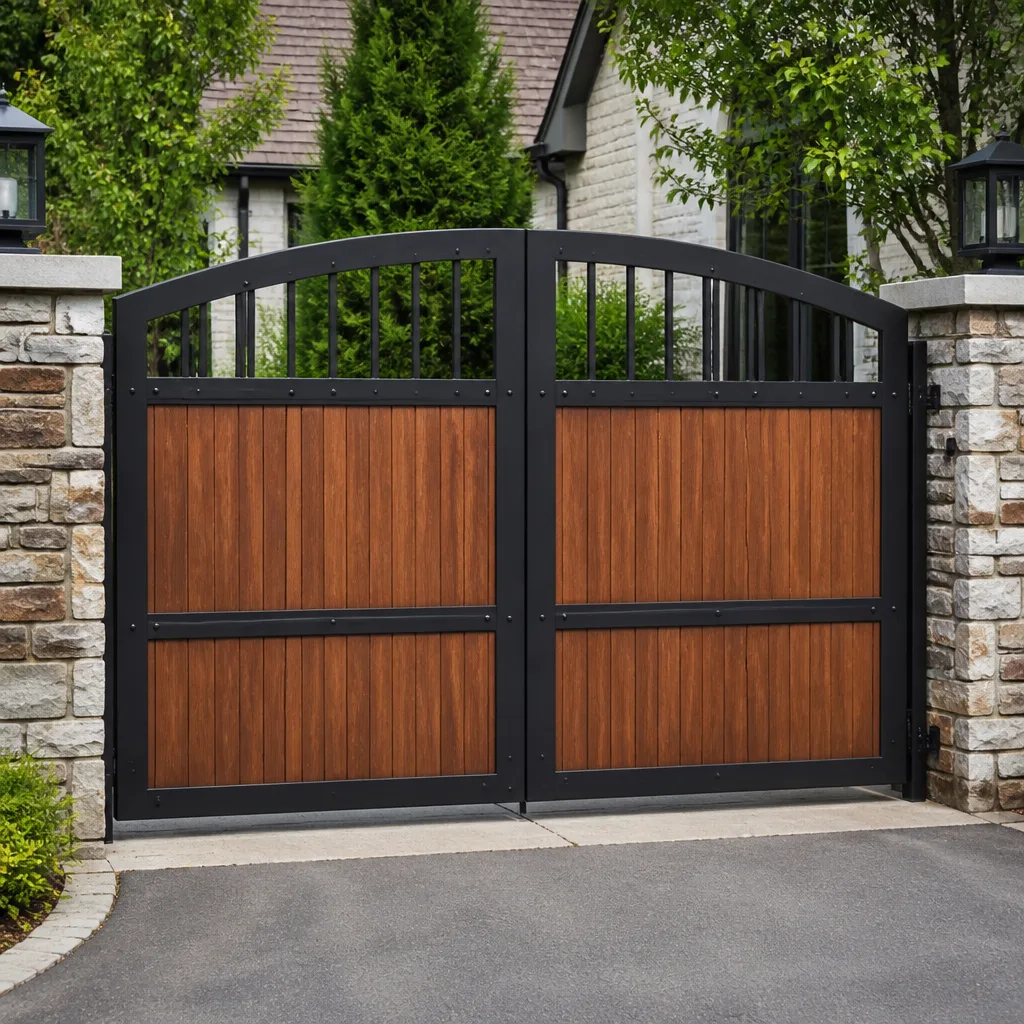 Wood & steel frame
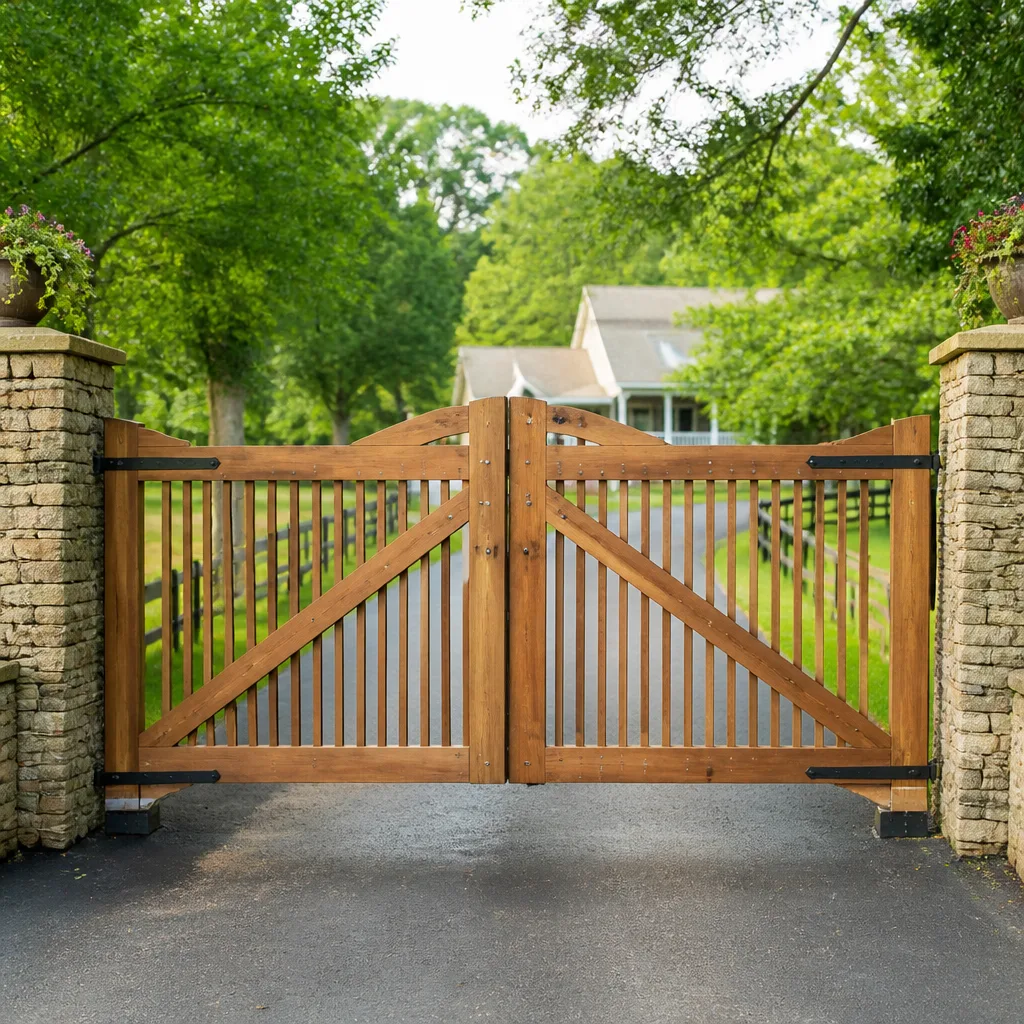 Farm & ranch
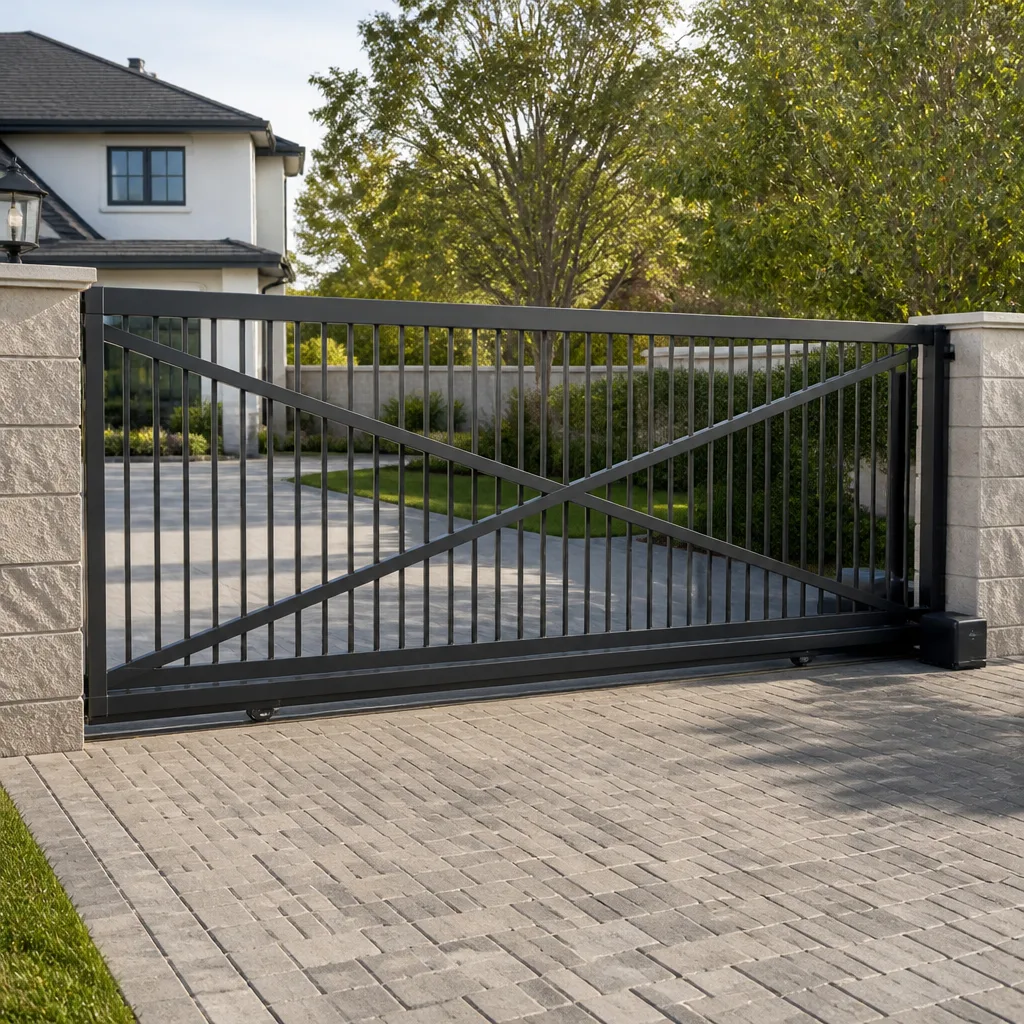 Sliding driveway gates
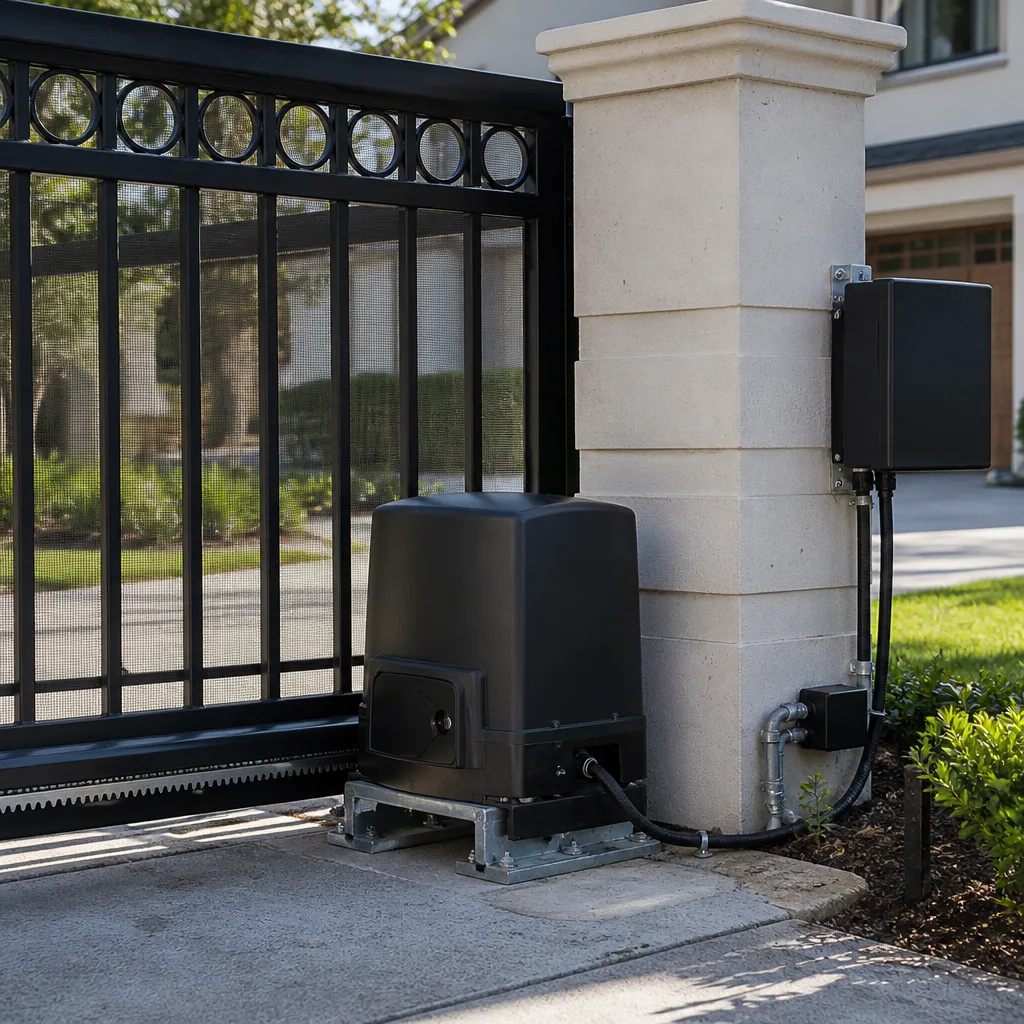 LiftMaster operators
Free on-site gate assessment - hinges, posts, and your LiftMaster or Nice gate operator checked before anything is quoted
The assessment is free and the quote is the invoice.
Get your free estimateGate Repair Permits, Codes & Inspections in Glendale, CA: What You Need to Know
Most homeowners we talk to in Glendale assume gate repair never touches a permit. A motor swap is small, the gate already stood there, and nobody from the city knocked on the door. That assumption is where trouble starts. In Glendale, work that changes an automated gate’s safety systems or alters its footings can cross the line into permitted territory, and work done without that permit can surface years later as a stalled sale or a denied insurance claim. This guide lays out which scopes trigger a permit, what California’s safety rules for automated gates actually require, how the City of Glendale Building & Safety Division handles gate work, and how to clean up an existing unpermitted install before it costs you.
Quick Answer
In Glendale, CA, basic gate repair – fixing a hinge, replacing a damaged panel, swapping a remote – usually needs no permit, but replacing an automated gate operator, changing the gate’s structural footings, or altering safety devices (photocells, safety edges, loop detectors) can trigger a permit through the City of Glendale Building & Safety Division. California’s UL 325 safety enforcement has tightened, so automated gate installations and replacements are held to a stricter standard than most homeowners expect. A true like-for-like replacement, same size and type in the same location, is the common path to exemption. Always confirm with the city before work starts.
Styles & brands we work with
- Wrought iron
- Wood & steel frame
- Farm & ranch
- Sliding driveway gates
- LiftMaster operators
Table of Contents
- Does gate repair need a permit in Glendale, CA?
- Which gate projects trigger a permit and which don’t
- UL 325 safety standards and why California enforcement tightened
- How the permit process works through Glendale Building & Safety
- What “like-for-like replacement” means legally
- How to permit an existing unpermitted gate before a sale or claim
- What a gate inspection covers and how to prepare
- Common mistakes to avoid
Does gate repair need a permit in Glendale, CA?
Some gate repair in Glendale, CA needs a permit and most routine repair doesn’t. The dividing line isn’t the cost or the size of the job. It’s whether the work touches a structural component or an automated safety system. Tighten a sagging hinge or fix a finicky latch and you’re in repair territory with no permit required. Replace the operator on a sliding driveway gate, move a post, or rewire the safety edges and you’ve moved into work the city wants to see on a permit.
The confusion comes from how homeowners describe the job. “My gate stopped opening” sounds like a repair, but if the fix means a new operator mounted on new footings, it’s an installation from the city’s point of view. We see this a lot with residential properties in Glendale, particularly in hillside neighborhoods like Chevy Chase and Verdugo Woodlands, where gates are frequently automatic and the footings sit on graded slopes. A technician who understands the difference between fixing a gate and modifying one saves you a costly cleanup down the road.
Here’s the practical rule: any work that changes the gate’s structure, its anchoring, or its automated safety devices should get a permit question to the city first. That includes:
- Replacing or upgrading the gate operator (electric gate motor)
- Altering or repairing the gate’s structural footings
- Moving a gate post or changing the gate’s opening geometry
- Adding or modifying safety devices: photocells, safety edges, loop detectors
- Adding electric power to a gate that was previously manual
- Replacing the gate with a different size, material, or type
Pure repair – hinges, latches, rollers, tracks, cosmetic damage – is generally exempt. When in doubt, one phone call to the City of Glendale Building & Safety Division settles it. For anything related to gate repair in Glendale, our rule is simple: if the answer from the city is uncertain, we tell you to ask, not to guess.
Which gate projects trigger a permit and which don’t
Here’s how the two categories break down in practice. This is the list we walk through with property managers and homeowners before we quote anything, because the honest answer on whether a project needs a permit changes how the job is scheduled and what gets inspected at the end.
Work that typically requires a permit in Glendale
- New automated gate installation – a fresh electric gate on a driveway or property line
- Gate operator replacement where the new operator differs in model, capacity, or mounting from the original
- Structural footing work – digging new footings or reinforcing existing ones
- Changes to the gate’s dimensions or travel path – widening the opening, changing gate height, or altering the swing/roll path
- Adding automated safety devices to a gate that didn’t originally have them
- Running new electrical service to a gate location
Work that typically doesn’t require a permit
- Like-for-like operator replacement – same model or directly equivalent unit, same location, same safety configuration
- Routine repairs – hinges, latches, rollers, guides, tracks, gate leaves, and hardware
- Control board and receiver replacement on an existing, already-permitted operator
- Remote programming, keypad changes, access control updates
- Cosmetic work – painting, rust touch-ups, decorative additions
The tricky ones sit in the middle. Replacing a LiftMaster operator with the same model is usually like-for-like. Replacing it with a heavier-duty unit because the original was undersized becomes a modification. That’s why we ask the model number and check the existing install before we quote – multi-brand fluency matters here, because the permit path for a residential-grade FAAC or Mighty Mule unit isn’t the same as for a commercial BFT or DoorKing operator.
Glendale homes and small commercial properties in the downtown corridor often have gates installed decades apart. When we’re assessing whether a replacement is like-for-like, we have to look at what’s actually mounted, not what the homeowner remembers. Call (888) 853-9043 if you want a straight answer before you start planning the work. Estimates are free.
UL 325 safety standards and why California enforcement tightened
UL 325 is the safety standard that governs automated gate operators in the United States. It’s the standard that requires every automatic vehicular gate to have some form of entrapment protection – photocells, safety edges, or other recognized devices – so that a gate closes only when it can do so without crushing a person, a pet, or a vehicle. California has tightened enforcement of UL 325 for automated gates over the years, and the practical effect for Glendale property owners is straightforward: the safety devices that were considered adequate on a gate installed years ago may not be adequate on a replacement today.
Why the shift? Automated gates are heavy, and a sliding or swinging gate that closes on a person is a genuine hazard. A commercial slide gate weighing several hundred pounds isn’t going to stop because someone put their hand out. That’s why the UL 325 requirements exist, and why inspectors in Glendale now look closely at safety devices on any permitted gate work. If a permitted operator replacement goes in without working photocells, safety edges, or loop detectors, the inspection stops there.
What this means for you, especially if your gate was installed more than a decade ago:
- Expect the safety devices to be re-evaluated. A permitted operator replacement usually means bringing the entrapment protection up to the current standard.
- Photocells alone may not satisfy the requirements. Depending on the operator type and configuration, additional devices like safety edges or loop detectors may be required.
- Existing unpermitted safety systems are a red flag. If the gate ever gets inspected – during a permit, a home sale, or an insurance claim – those devices will be checked.
- Residential-grade brands aren’t exempt. Mighty Mule and Ghost Controls operators still need proper entrapment protection.
We’re not code officials and we don’t interpret code for you. But we’re on gates every week, and we can tell you when the safety devices on your gate look like they’d fail an inspection. If they would, you need to know that before the permit goes in, not after. Electric gate repair on an existing system often turns into safety-device upgrades once we actually look at what’s installed.
How the permit process works through Glendale Building & Safety
Gate permits in Glendale go through the City of Glendale Building & Safety Division. The process follows a predictable sequence, and knowing it saves weeks of back-and-forth. Here’s the flow as it applies to gate work specifically:
- Confirm the permit requirement. Call Building & Safety with the scope of the work: replacement vs. new install, operator model, footing changes, and safety devices. Ask what documents they want. The answer is specific to your project.
- Assemble the project documentation. Expect to provide a site plan showing the gate location and dimensions, the operator manufacturer’s specs and installation instructions, a description of the safety devices, and the electrical scope if new power is running to the gate. Your licensed contractor typically prepares these.
- Submit the permit application. This can usually be handled by your contractor. You’ll need the property information and the scope of work.
- Pay the permit fee. Fees vary based on job scope and are set by the city; ask Building & Safety for the current schedule.
- Perform the work. The permitted work is performed by the contractor of record. Electrical work typically requires a licensed electrical contractor in addition to the gate contractor.
- Schedule the inspection. After the work is complete, the city inspects. The inspector checks the operator mounting, the safety devices, the electrical connections, and that the work matches the permitted scope.
- Close out the permit. Once the inspection passes, the permit gets finaled and the record is closed out with the city.
Two things are worth knowing about the Glendale process. First, the timeline depends on the city’s current volume and the completeness of your submittal – a missing document can restart the clock. Second, a failed inspection doesn’t usually mean the job was wrong; it often means the safety device documentation wasn’t specific enough. When we’re handling electric gate repair that touches permitted work, we build the safety-device documentation into the plan up front rather than retrofitting it after the inspector comes out.
Glendale is a city of mixed property types – hillside single-family homes above the 134, denser residential blocks in south Glendale, small commercial buildings around Brand and Central. Permit reviewers are used to the range, so a clear scope description travels farther than a vague one. If you’re not sure how to describe the work, ask.
What “like-for-like replacement” means legally
“Like-for-like” is the phrase that most often decides whether a gate repair in Glendale needs a permit. It means replacing the component with one that matches what was there before in all the ways that matter to the code: same type, same size, same location, same function, and same safety configuration. If your existing operator dies and you replace it with the same model or a directly equivalent unit in the same spot with the same safety devices wired to it, you’re usually in like-for-like territory and no permit is required.
Here’s where homeowners get tripped up. Like-for-like doesn’t mean “close enough.” A few common examples:
- Same brand, different model. Replacing a LiftMaster with a newer LiftMaster of a different model may be a modification, not like-for-like, especially if the capacity or the mounting hardware changes.
- Upgrading for reliability. Swapping a residential-grade operator for a heavier-duty commercial unit is an improvement, but it’s not like-for-like. That likely triggers a permit because the gate’s structural load and safety configuration change.
- Adding safety devices. Even if the operator is identical, adding photocells or safety edges is a modification to the automated safety system and usually needs a permit.
- Moving the operator. A different mounting location, even a few inches, can push the job out of like-for-like.
- Different access method. Changing from a keypad to a card reader or phone-app access on the same operator is usually fine; changing the operator itself to get that feature isn’t.
The standard for a true like-for-like replacement is: the gate you walk away with is functionally and structurally identical to the gate you started with. We work on the brand you already have – LiftMaster, Linear, FAAC, and others – and the honest answer on whether a replacement stays within like-for-like comes from knowing the models, not guessing. If we can’t confirm it’s like-for-like, we tell you to check with the city before work starts.
There’s a second layer to this. Even a legitimate like-for-like replacement is a chance to bring the gate’s safety within UL 325 compliance if it isn’t already. Inspectors don’t consider “the original didn’t have safety edges” a free pass. If the replacement is like-for-like but the original install was unpermitted, the unpermitted status doesn’t vanish just because you replaced the operator.
How to permit an existing unpermitted gate before a sale or claim
A gate that was installed without a permit years ago can still be brought into compliance. The process is called retroactive permitting or a permit for existing work, and in Glendale it goes through the same Building & Safety Division. The key difference from a normal permit: you’re asking the city to inspect work that’s already in place and document it, rather than approve work before it happens. That’s a bigger ask, and it comes with the real possibility that the inspector requires corrections before the permit can be finaled.
When we’re asked to help with a retroactive permit, here’s the sequence we recommend:
- Document what’s actually installed. Take clear photos of the operator, the safety devices, the footings, the gate leaf, and the electrical connections. Note any brand markings: model numbers on the operator, safety edge labels, photocell positions.
- Identify the gap. Compare what’s installed against current UL 325 requirements for the gate’s size and type. This is where gaps show up. Many existing installs are missing a device that today’s requirements expect.
- Plan the corrections before you call the city. If the gate needs a safety edge added or a photocell relocated to pass inspection, knowing that up front is far cheaper than discovering it after the permit opens.
- Call Building & Safety and describe the situation. Ask for the retroactive permit process for your scope. Ask what documentation they want, and how they want the corrections handled if any are required.
- Hire a licensed contractor of record for the corrective work and the permit. This is where a gate-exclusive specialist keeps the process from ballooning, because the scope of the permit is defined by what the inspector expects to see.
- Complete the corrections and final the permit. The corrections are done under the permit, inspected, and the permit is finaled. You now have an official record of the gate’s legality.
Timing matters. If you’re selling the house, bring this up with your agent before the buyer’s inspection, not after. If you’re refinancing, mention it to the lender. And if you’re making an insurance claim on the gate or on damage a gate caused, know that the claim will be adjusted against the gate’s record. A gate that was installed without a permit and never brought into compliance can complicate both. On-site estimates for this kind of work are free, and we’d rather quote the corrective scope before the city weighs in than after.
What a gate inspection covers and how to prepare
When a permit inspector comes out to a Glendale property, they’re looking at three things: safety compliance, structural integrity, and consistency with the permitted scope. Here’s how each gets checked in practice.
- Safety compliance. Every automated safety device is verified: photocells, safety edges, loop detectors, and any other entrapment protection wired to the operator. Devices that don’t work, aren’t correctly positioned, or aren’t the right type for the gate fail here.
- Structural integrity. The gate post, footings, and mounting hardware are checked for soundness. The gate must operate without excess movement under normal load.
- Operator and mounting. The operator must be mounted per the manufacturer’s instructions, with the correct mounting hardware and correct gate-to-operator geometry. Off-brand mounting adapters or improvised brackets are a common fail point.
- Electrical. Electrical work under the permit needs to meet code. Improvised wiring – extension cords, exterior-rated cable where indoor was used, ungrounded connections – gets flagged.
- Scope consistency. The inspector checks that the completed work matches the scope described in the permit application. A permit for a like-for-like replacement that turns into a bigger upgrade mid-job gets caught here.
How to prepare for the inspection:
- Confirm all safety devices are functional the day of the inspection – not the day before.
- Have the operator manual and safety-device documentation on hand at the gate. It helps inspectors confirm the configuration.
- Clear the gate path. The inspector needs to cycle the gate to verify safety. Anything in the way becomes a problem.
- Ensure power is on and the gate cycles cleanly. A gate that fails intermittently during inspection gets a re-inspection visit, which costs you time.
- Be available. The person who can answer questions about the install should be there. A gate-only specialist knows what to have ready; a generalist often doesn’t.
The single most common reason a gate inspection fails is not the gate itself. It’s the safety devices. They were installed on the original equipment years ago, the operator has been replaced at some point, and the devices never got re-evaluated. That gap is fixable, but it’s a lot easier to fix before the inspector is standing at the gate. If you’re in Glendale and want a straight read on whether your automated gate is likely to pass, an on-site estimate is free. Call (888) 853-9043.
Common Mistakes to Avoid
- Assuming “repair” means “no permit.” The word “repair” is not a legal category. What matters is whether the work touches structure, the operator, or safety devices. A new operator on new footings is a permit job even if you bought it as a repair.
- Replacing the operator without touching the safety devices. This is the most common UL 325 failure we see on Glendale properties. The old operator had aged safety edges or photocells; the new one goes in and the devices get reused as-is. Inspectors look at those devices on every permitted gate job.
- Assuming like-for-like without confirming the model. “It was a LiftMaster before, so a LiftMaster now is like-for-like” isn’t true if the model or capacity changed. The difference between a permitted and an unpermitted replacement can be a single number on the operator label.
- Using a generalist contractor to handle gate permits. Gate permit preparation is its own language: operator specs, entrapment protection categories, gate geometry. A multi-trade contractor is more likely to submit an incomplete scope, and a rejected submittal restarts the permit timeline.
- Waiting for the buyer’s inspection to find an unpermitted gate. If a home sale is on the horizon in Glendale, the gate’s permit history is a documentable item. Fixing it after the inspection report comes back compresses the timeline and makes the corrective scope more expensive.
- Ignoring the electrical scope. In California, gate electrical wiring on a permitted installation requires a licensed electrical contractor. Wiring it as a handyman add-on can fail the electrical inspection even when the operator itself is fine.
- Skipping the city, then trying to fix it later. A retroactive permit is possible but takes more work than doing it right the first time. If the gate was already installed unpermitted, retroactive is the right call. Ongoing work should be planned with the permit path in mind.
See the difference
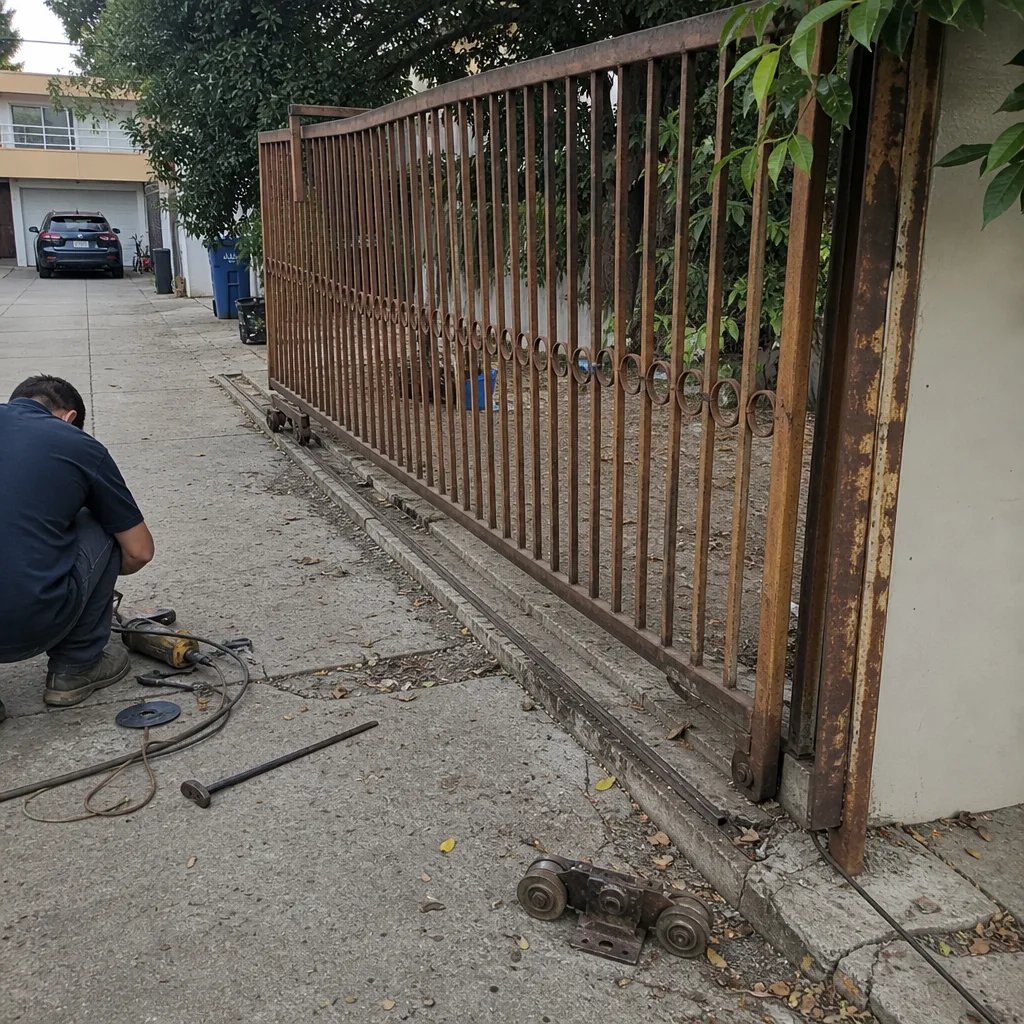 Before
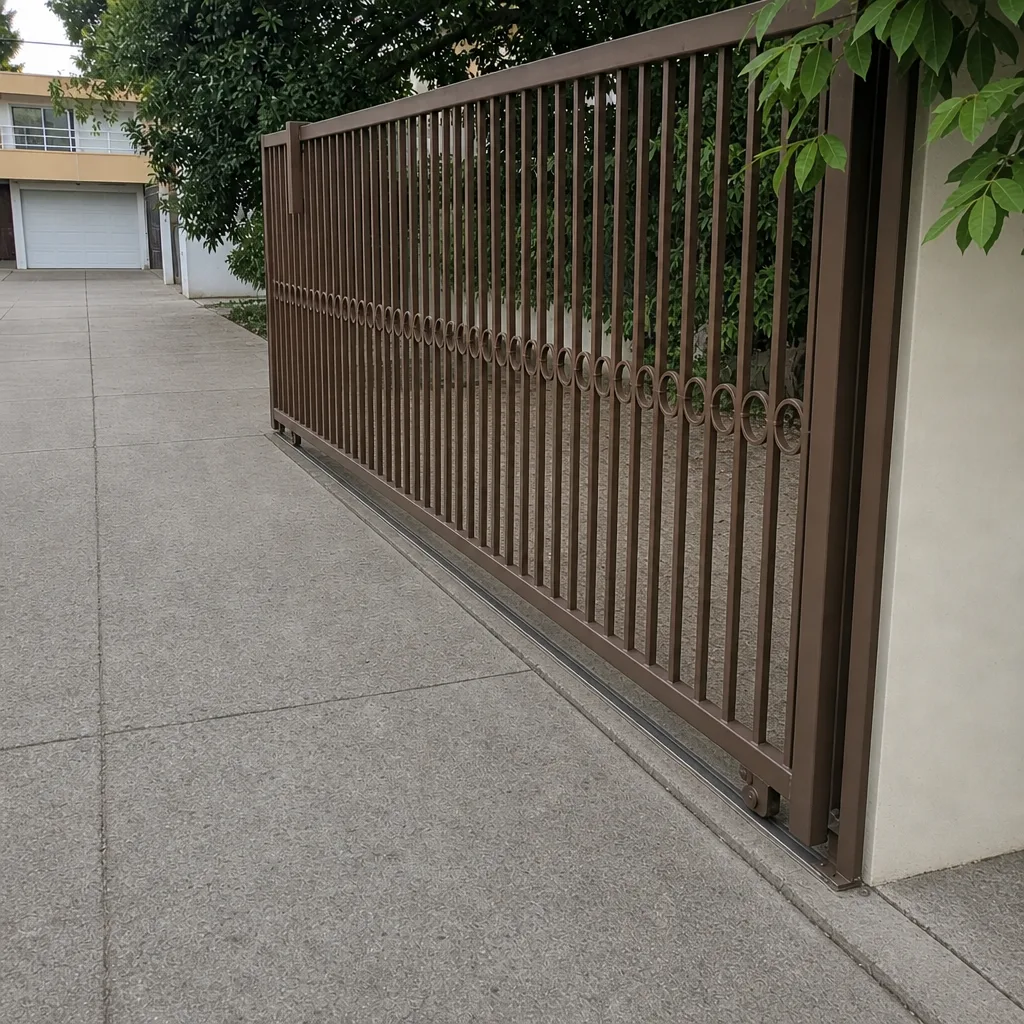 After
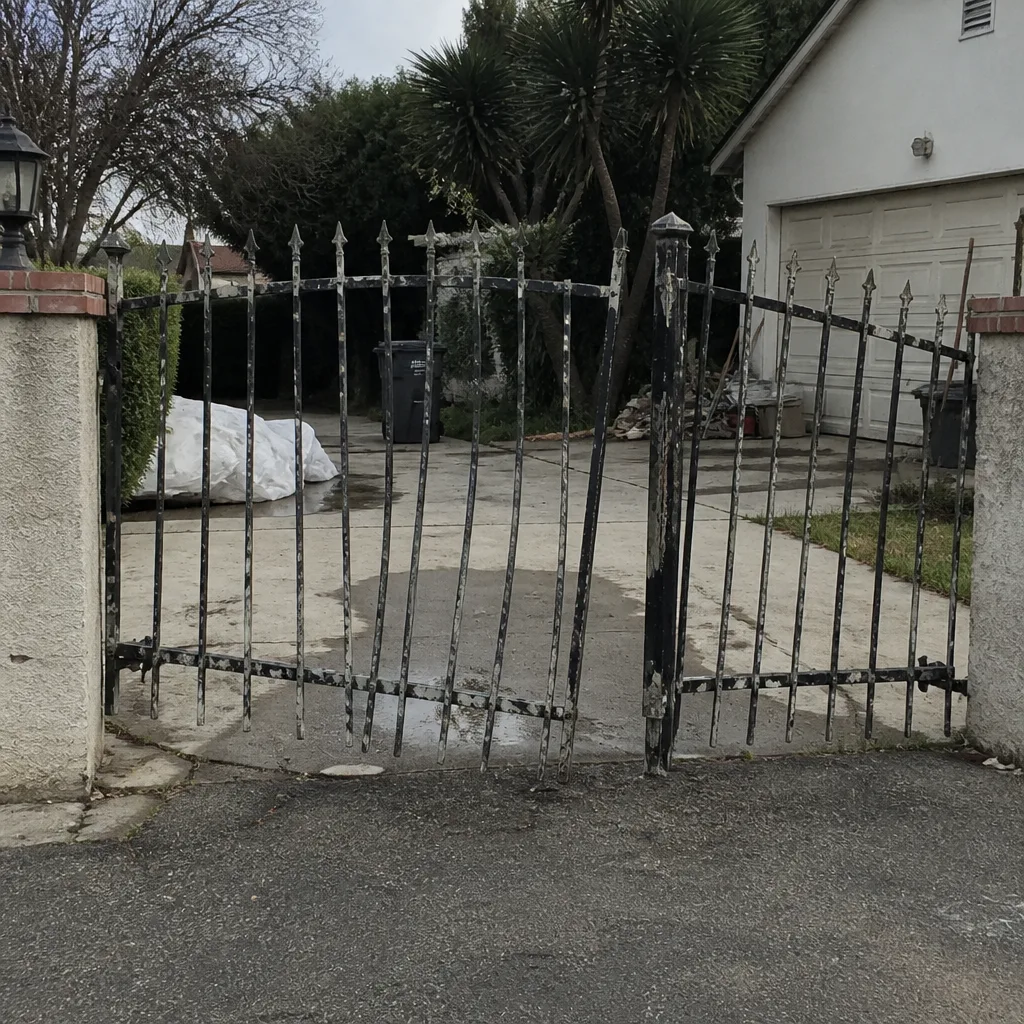 Before
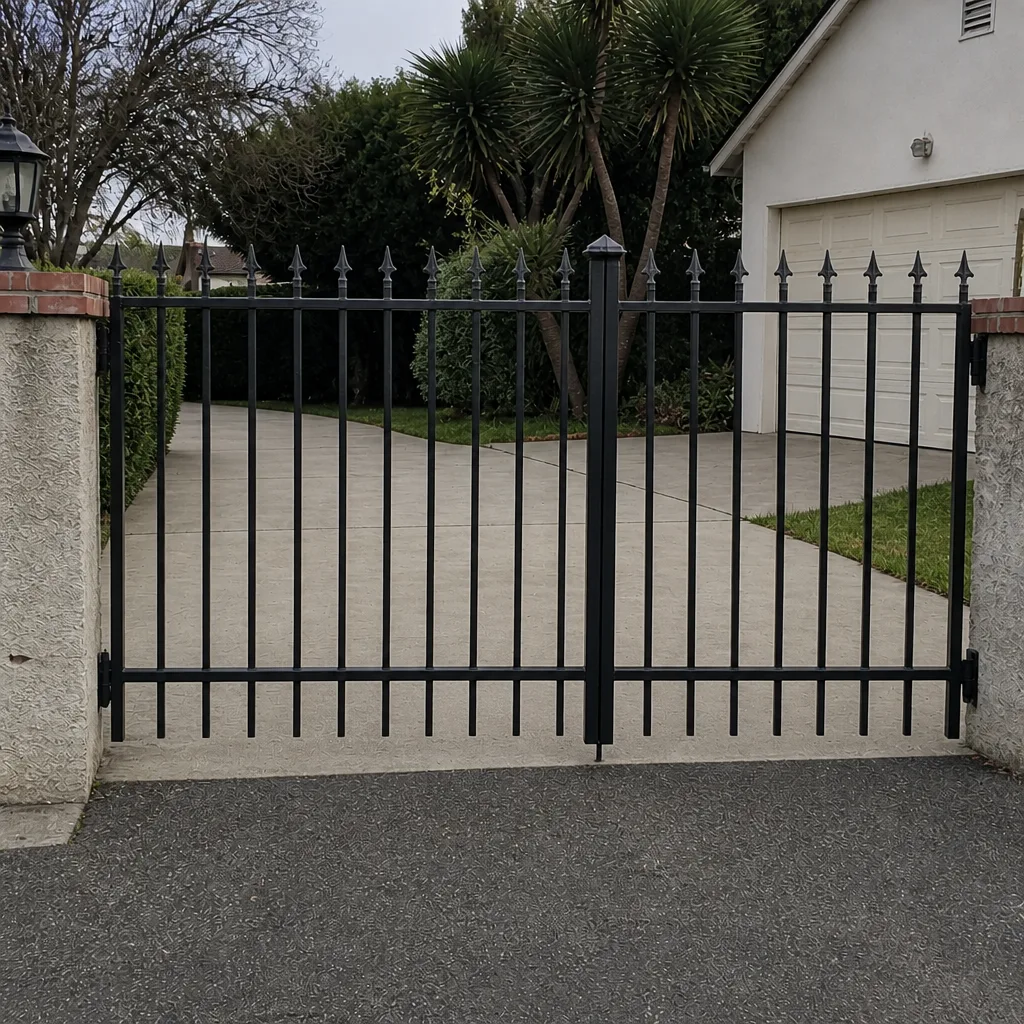 After
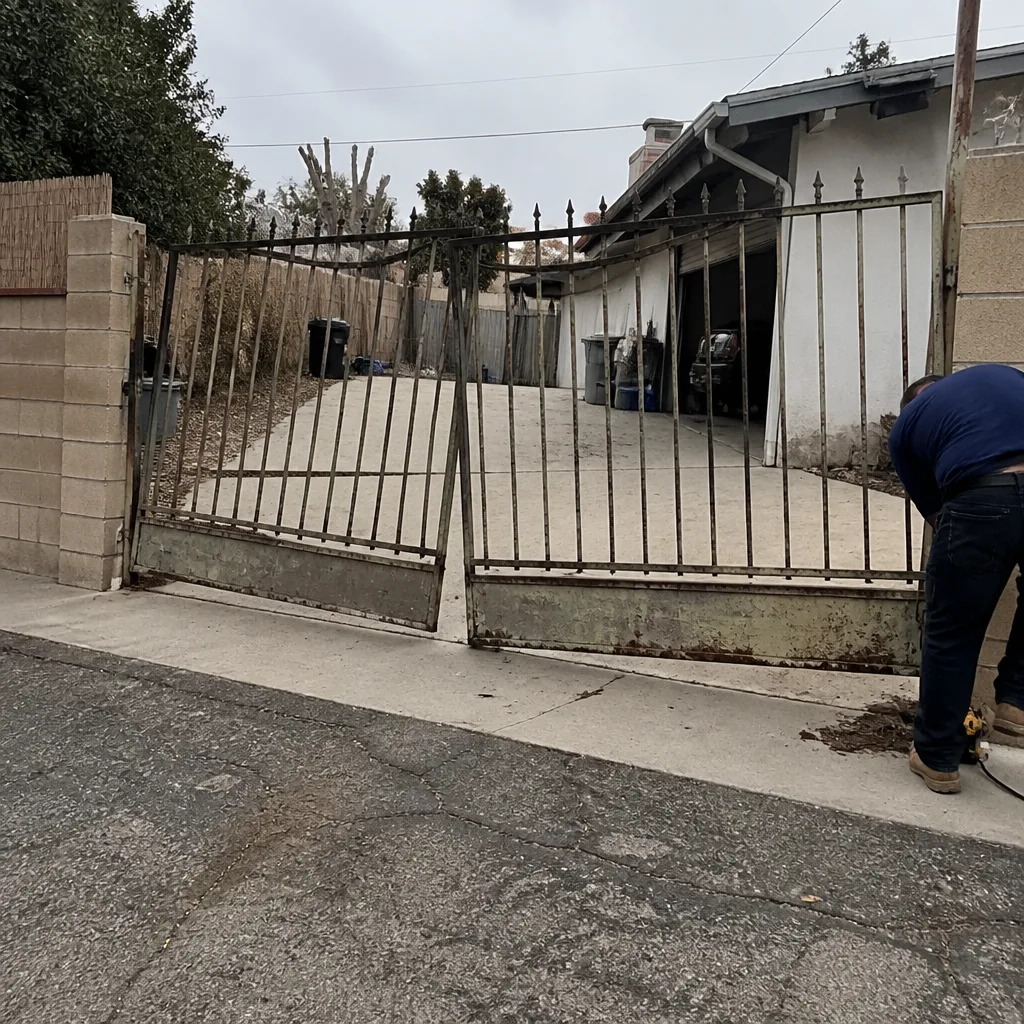 Before
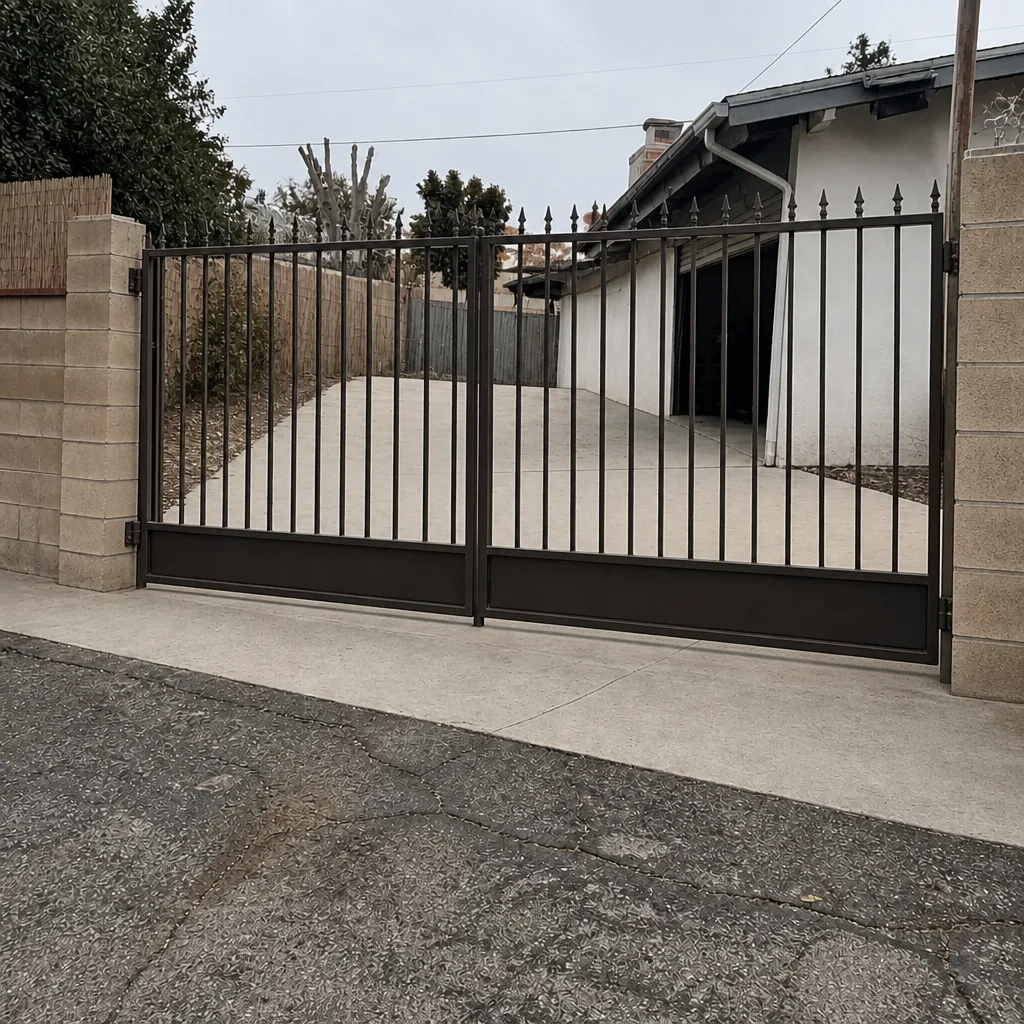 After
When to Call a Professional
Some gate questions don’t need a technician. Hinges and latches, cosmetic work, remote batteries: handle those yourself. But a handful of situations warrant a call to a gate specialist, both for the repair and for the permit questions that come with it. If your operator has failed and you’re not sure whether the replacement is like-for-like, that’s a call. If you’re adding automation to a manual gate and would be running electrical to it for the first time, that’s a call. If your existing electric gate has safety devices that look original to the install and have never been evaluated against UL 325, that’s a call. And if a home sale, refinance, or insurance claim has surfaced an unpermitted gate, that’s the biggest call of them all, because the corrective scope has to be planned before the city looks at it.
Glendale Gate Repair offers free estimates in Glendale. We’re gate-exclusive: our whole business is gate repair, electric gate repair, and gate installation. We work on the brand you already have – LiftMaster, FAAC, BFT, Linear, Viking, Ghost Controls, DoorKing, Elite, Mighty Mule – so we can give you an honest assessment of the existing install and a clear path to a permitted one. Our technicians have up to 13 years of experience with electric and automated gate systems. Call (888) 853-9043. We answer 24/7. Fast dispatch from 7am to 7pm, Sunday through Friday. Estimates are free, and the price is quoted and agreed with you in writing before any work starts.
Frequently Asked Questions
Basic gate repair in Glendale usually doesn’t require a permit, but replacing an automated gate operator, modifying the gate’s structural footings, or altering safety devices (photocells, safety edges, loop detectors) can trigger one through the City of Glendale Building & Safety Division. A true like-for-like replacement in the same location is the common exemption. Call (888) 853-9043 for an exact quote – estimates are free.
Gate operator replacement pricing depends on the operator model, the gate type, and whether the safety devices need updating as part of the work – which they often do. We don’t quote a number before we see the install, because “same model, same location” and “different operator, new footings” are very different jobs. Call (888) 853-9043 for a free on-site estimate and a written quote before any work starts.
Sometimes, but not automatically. Replacing a LiftMaster with the same LiftMaster model in the same location with the same safety devices is usually like-for-like and doesn’t require a permit. Replacing it with a different model, a heavier-duty unit, or one with different safety configuration likely does. Confirm with the City of Glendale Building & Safety Division before work starts. Call (888) 853-9043 if you want a second read on whether your replacement stays within like-for-like.
UL 325 is the U.S. safety standard for automated gate operators, and it requires entrapment protection (photocells, safety edges, or other recognized devices) on automatic vehicular gates. California enforcement has tightened, so it applies to residential gates the same way it applies to commercial ones. A permitted operator replacement on a residential property in Glendale will usually require the safety devices to be brought up to the current standard. Call (888) 853-9043 for a safety-device assessment – estimates are free.
You ask the City of Glendale Building & Safety Division about a retroactive permit for existing work, and you plan the corrective scope before the permit opens. The biggest gap on unpermitted gates is usually the safety devices, so it’s worth assessing those first. Bring your agent and your contractor into it early, not after the buyer’s inspection report. Call (888) 853-9043 for a free on-site estimate and a plan for the corrective work.
Yes – routine repair, electric gate repair, and operator service on existing gates with like-for-like replacements are a regular part of what we do in Glendale. Our whole business is gates, and it means we diagnose the actual brand installed rather than guessing. Call (888) 853-9043 for a free estimate. We answer 24/7. Fast dispatch from 7am to 7pm, Sunday through Friday.
The Bottom Line
Gate repair permits in Glendale aren’t the minefield they look like once you know where the line sits. Routine repairs are exempt. Like-for-like operator replacements usually are too. But every job that touches the gate’s structure, a new operator configuration, or the automated safety devices needs a permit through the City of Glendale Building & Safety Division, and California’s tightened UL 325 enforcement means the safety side is checked closely. The one rule that holds up across every case: ask the city before work starts, not after. If you’re carrying an unpermitted gate into a sale, refinance, or claim, retroactive permitting is the cleanup – and a gate specialist should be involved before that permit opens, not after it fails. Our technicians have up to 13 years of experience with residential, commercial, and access-control gates in Glendale and across the Glendale area. Whether you need straightforward gate repair, an honest assessment of an existing install, or full-service Glendale Gate Repair, our team is ready to help. Call (888) 853-9043 for a free estimate, and you’ll get the price in writing before any work starts.
Written by the team at Glendale Gate Repair.